Automotive News
Latest industry news from New Zealand and global automotive sources
Latest Articles
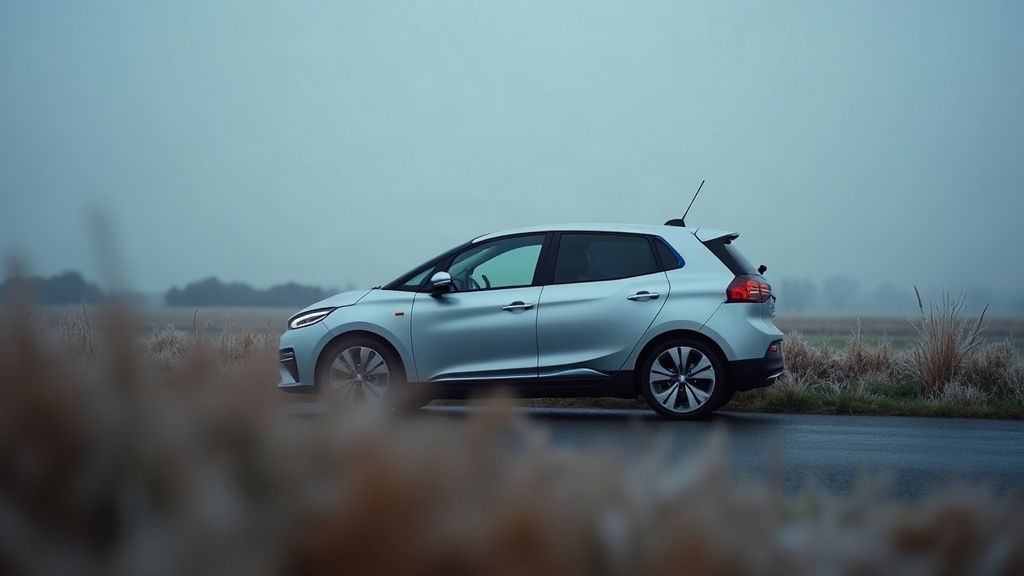
EV road user charges: what Canterbury drivers are actually paying
Light EV RUCs have been running for a year now. We crunch the real numbers on what Canterbury owners are paying versus petrol savings, and whether used EVs still make financial sense.
The NZ Angle
From 1 April 2024, light electric vehicles in New Zealand started paying road user charges at $76 per 1,000 kilometres. That ended three years of free roads for EV owners and changed the used-EV value equation overnight. For Canterbury drivers, the maths is worth doing carefully. The South Island's road network, the longer runs between Christchurch and the ski fields, the coast, or down to Dunedin, means EV owners here clock meaningful kilometres. A driver doing 15,000km a year is now writing a cheque for $1,140 annually in RUCs alone, on top of their registration. That's not catastrophic, but it's not nothing either, and it comes on top of the Clean Car Discount disappearing at the end of 2023, which removed up to $8,625 off new EVs and a meaningful rebate on used imports. The discount's gone, RUCs are real, and used EV prices have softened as a result. Whether an EV still pencils out against a petrol car at current pump prices depends on what you're paying for the car, how far you drive, and what your power bill looks like. The numbers below are real, not press-release figures.
Read article →
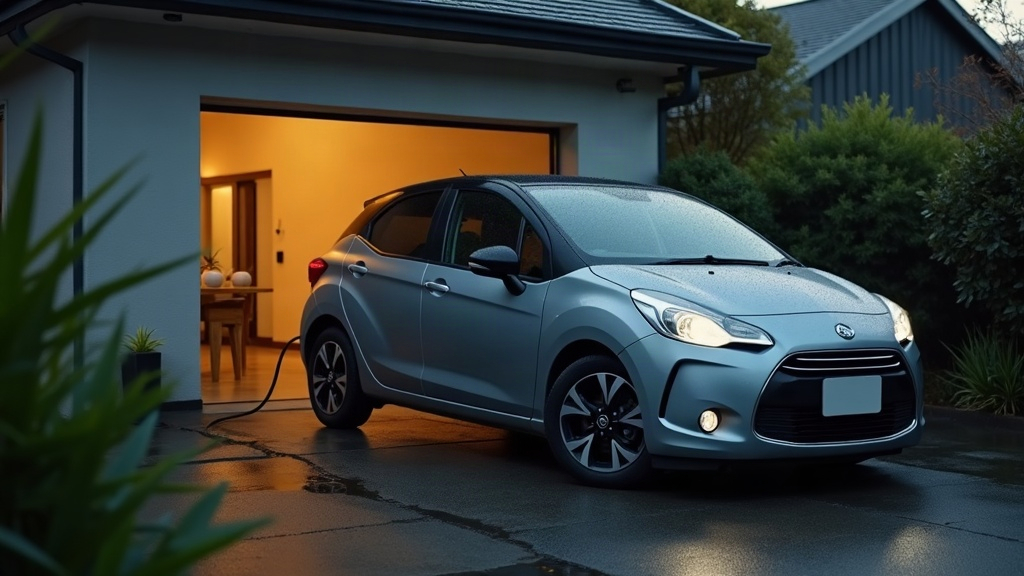
EVs under $25k: what Canterbury driving actually costs
RUC rates have settled, used Leafs and BYD Atto 3s are everywhere on Trade Me. Here's what the numbers actually look like for a South Island buyer.
The NZ Angle
Light electric vehicles lost their RUC exemption in April 2024, and the rate has since settled at $76 per 1,000km for EVs under 3,500kg. That's not trivial. A Canterbury driver covering 15,000km a year is looking at $1,140 in RUCs alone, on top of home charging costs and the annual WoF once the car clears three years old. The used Nissan Leaf, particularly the 40kWh ZE1 generation, has become one of the most-traded EVs on Trade Me Motors, with tidy examples sitting between $16,000 and $22,000. The BYD Atto 3 is newer and pricier, typically $28,000 to $38,000 used, which already pushes it past the $25k ceiling for most private buyers. What this means practically: the Leaf is the realistic sub-$25k EV option for most people, and the comparison that matters is a 2018 to 2020 Leaf against something like a 2018 Toyota Aqua or a 2017 Mazda Axela in the same price band. Canterbury winters add a layer the North Island buyer doesn't face: battery range drops meaningfully in sustained cold, and that 40kWh Leaf's real-world winter range around Christchurch is closer to 180km than the 270km WLTP figure suggests.
Read article →

Ex-lease Leafs and Atto 3s under $20k: what Canterbury buyers need to know
Used EVs are suddenly affordable, but battery health and RUC costs are the real variables. Here is what first-time electric buyers in Canterbury should check before signing anything.
The NZ Angle
The used EV market has shifted faster than most people expected. A combination of fleet renewals, the end of the Clean Car Discount in 2023, and a wave of ex-lease returns has pushed Nissan Leafs and early BYD Atto 3s into territory that genuinely competes with a tired Corolla or an ageing CX-5. Sub-$20,000 asking prices on TradeMe are no longer unusual. For Canterbury buyers, the calculus is specific. RUCs on EVs currently sit at $76 per 1,000km, which is not trivial if you are covering serious Selwyn District commutes or doing regular Christchurch-to-Queenstown runs. Factor that in before you get seduced by the fuel savings. WoF intervals follow the standard rules, so nothing unusual there after three years. The bigger issue is battery health, and it matters more here than most places: Canterbury winters are cold enough to meaningfully reduce real-world range on an older 24 or 30 kWh Leaf, and if the car has been sitting on a fast charger twice a day for three years of fleet life, the degradation curve can be steep. The good news is that reputable sellers can pull a battery health report, and you should insist on seeing one.
Read article →

Leaf vs Aqua: what it actually costs to run each car in Canterbury
The Clean Car Discount is gone and light EV RUCs are here to stay. We crunch the real weekly numbers on a used Nissan Leaf versus a Toyota Aqua for Canterbury drivers.
The NZ Angle
The two subsidies that made EVs look cheap on paper have both disappeared. The Clean Car Discount ended in December 2023, and light EVs have been paying Road User Charges since April 2024, currently sitting at $76 per 1,000 km. That changes the maths considerably for anyone who bought a used Leaf expecting near-zero running costs. In Canterbury, the calculation has a few extra wrinkles. Winters are cold enough that Leaf battery range can drop 20–30 percent on a frosty Christchurch morning, which pushes your cost-per-kilometre up even when the electricity rate stays flat. Home charging on a standard Meridian or Contact residential rate runs roughly $0.28–$0.32 per kWh overnight, and a 40 kWh Leaf (2018 ZE1 generation) realistically delivers around 35 usable kWh when the pack is healthy. After three years, both cars move to annual WoF checks rather than six-monthly, which removes one line from the running cost ledger. The Leaf's 12V battery and brake fluid are the items most likely to catch Canterbury owners off guard at WoF time, particularly on cars that sit unused during ski season.
Read article →
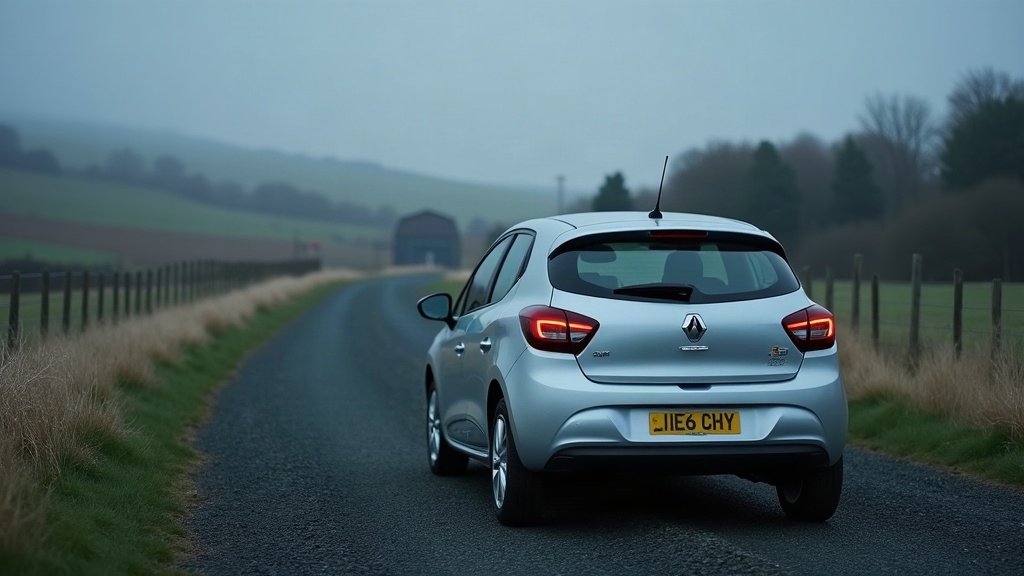
Leaf vs petrol hatch: what RUCs actually cost a Canterbury driver
The RUC exemption for light EVs is gone. We run the real numbers on a used Nissan Leaf versus a comparable petrol hatchback for a driver doing average annual kilometres in Canterbury.
The NZ Angle
From 1 April 2024, light electric vehicles lost their RUC exemption and joined the rest of the fleet paying road user charges. The current rate sits at $76 per 1,000 kilometres for light EVs. For context, a diesel car pays around $76-$80 per 1,000 km depending on vehicle weight, so EVs are now in the same ballpark as the fuel type they were once positioned well clear of. The average New Zealand driver covers roughly 11,000-12,000 kilometres a year, according to NZTA figures. At that distance, a Leaf owner is looking at around $836-$912 annually in RUCs alone, purchased in advance and tracked through an odometer-based system. That changes the sums considerably compared to even two years ago, when EV running costs had a near-unfair advantage. Canterbury drivers face a particular wrinkle: winter in Christchurch and the wider region can knock real-world range out of a used Leaf meaningfully, especially on older 24 kWh or 30 kWh packs. That range anxiety has always been the asterisk on the Leaf's value case. Now there is a cost asterisk sitting alongside it.
Read article →
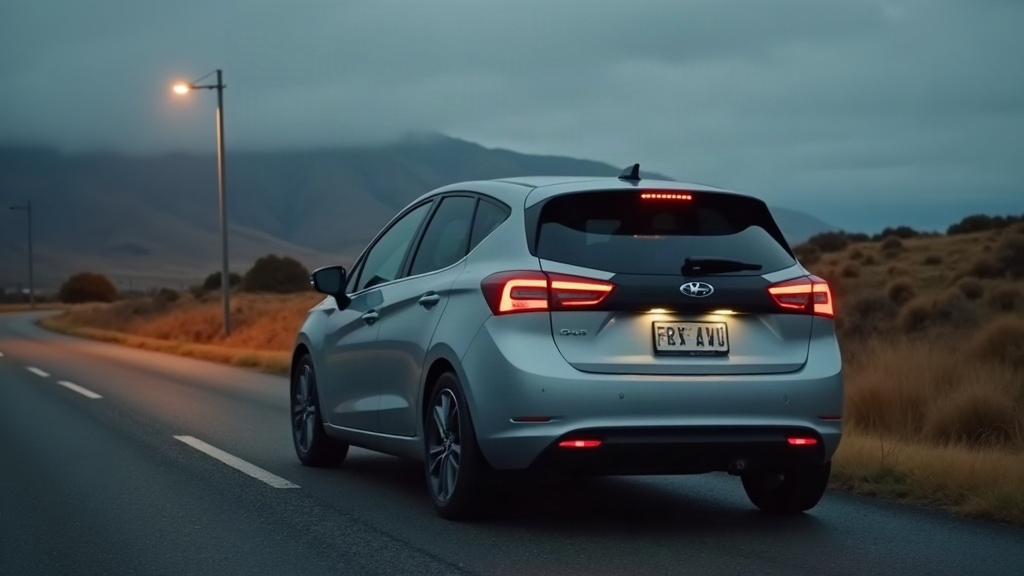
Leaf vs petrol hatch: what Canterbury driving actually costs
RUC charges have changed the EV equation. We run the real annual numbers for a used Nissan Leaf against a comparable petrol hatchback for a driver doing average Canterbury kilometres.
The NZ Angle
Light EVs lost their RUC exemption in April 2024, with charges now sitting at $76 per 1,000 km for vehicles under 3.5 tonnes. That changes the maths Kiwi buyers were using when they snapped up used Leafs at peak Clean Car Discount prices. The Discount itself ended in December 2023, so the subsidy that made a second-hand Leaf feel like a bargain is gone, and RUCs are now a real line item rather than a footnote. For a Canterbury driver, there are a few other things worth weighing. Winter in Christchurch is cold enough to knock 15-25% off a Leaf's real-world range, particularly on the older 24 kWh packs that still make up a large chunk of the used market here. That affects charging frequency and, if you're relying on public chargers, cost per km. Home charging off a standard overnight rate sits around 28-32 cents per kWh depending on your retailer, which is still well below what petrol costs per equivalent kilometre. The WoF schedule is the same for both vehicle types once the car is over three years old: annual. So that's not a differentiator. What matters is fuel or energy cost, RUCs, servicing, and what you actually paid for the car.
Read article →
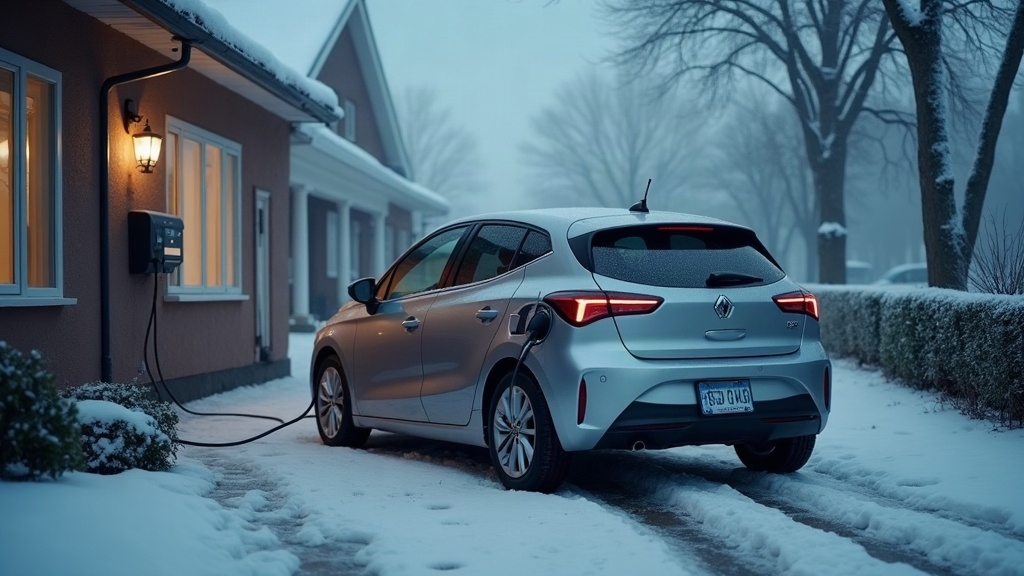
What Canterbury EV owners are actually paying per kilometre in 2025
RUC charges have been running long enough to do the real maths. We crunch what Leaf and Aqua plug-in owners in Canterbury are paying per kilometre against petrol equivalents.
The NZ Angle
Light EVs in New Zealand lost their RUC exemption in April 2024, with charges set at $76 per 1,000 kilometres. For a Nissan Leaf owner covering 15,000 km a year, that's $1,140 in RUCs on top of electricity costs. The Toyota Aqua plug-in hybrid sits in a slightly different position: it runs on petrol too, so its RUC liability depends on actual electric kilometres driven, which varies significantly by how and where you charge. Canterbury adds its own wrinkles. Cold mornings in Christchurch or the Mackenzie Basin knock real-world range out of an older Leaf faster than any spec sheet would suggest, and if you're relying on home charging overnight, your off-peak rate matters as much as the RUC figure. With the Clean Car Discount gone since the end of 2023, the purchase price gap between a used EV and a comparable petrol car has narrowed, but so has the justification to pay it. The maths that made a second-hand Leaf look like a no-brainer at $12,000 with a $3,000 government rebate looks different when that rebate has gone and the car is still $11,500 with RUCs now running year-round.
Read article →

EV running costs just changed: what it means for Leaf and Atto 3 owners
New RUC rates for light EVs are now in force. We crunch the real per-kilometre numbers for Canterbury owners and ask whether the used-EV price premium still makes sense.
The NZ Angle
From 1 April 2025, light electric vehicles under 3.5 tonnes pay $76 per 1,000 kilometres in road user charges, up from the $53 rate introduced when RUCs were reinstated on EVs in mid-2024. For Canterbury owners, that shift is not abstract. A Nissan Leaf doing 15,000 km a year now pays $1,140 in RUCs annually, compared to $795 at the old rate. A BYD Atto 3 owner covering similar ground faces the same bill. That is a $345 annual increase that was not in the original ownership calculation for anyone who bought on the strength of low running costs. Petrol sits around $2.50 to $2.80 per litre across most Christchurch stations right now, which means the gap between EV and petrol running costs is narrowing faster than the used-EV market has adjusted for. The Clean Car Discount ended in 2023, so there is no subsidy cushion left. What remains is the straight maths: purchase price, RUCs, electricity, servicing, and WoF. Canterbury winters add another variable. Cold temperatures reduce real-world Leaf range noticeably, which affects the cost-per-kilometre calculation in ways that a Dunedin or Queenstown owner understands better than someone in Auckland.
Read article →

EV road user charges are now real money: what Leaf and Atto 3 owners actually pay
The RUC exemption for light EVs ended in 2024. Here's what the full rate means per kilometre for Nissan Leaf and BYD Atto 3 owners, and what used EV buyers need to budget before they sign.
The NZ Angle
New Zealand's road user charge exemption for light electric vehicles ran out at the end of March 2024. From 1 April 2024, EVs under 3.5 tonnes joined every other RUC-liable vehicle on the full rate, currently set at $76 per 1,000 kilometres for light vehicles. For Canterbury drivers who leaned on the exemption as a core part of their EV ownership case, that's a meaningful shift. The South Island's longer inter-regional runs, Christchurch's sprawling suburban layout, and the regular Arthur's Pass or Lewis Pass trip mean annual kilometres stack up faster here than in central Auckland. A Leaf owner doing 15,000km a year now pays $1,140 in RUCs annually. An Atto 3 owner doing the same distance: identical. Neither car's electricity cost disappears, it's just no longer offset by a zero RUC line. For anyone buying a used EV right now, the compliance-stage sticker and the purchase price are only part of the picture. RUCs are the ongoing cost that the exemption era made easy to ignore, and the secondhand EV market hasn't fully repriced to reflect it yet.
Read article →
EV running costs in 2026: do the numbers finally add up?
RUC charges on light EVs have now been in place for over a year. We crunch the real per-kilometre costs for the Nissan Leaf and BYD Atto 3 against comparable petrol cars to find out what Canterbury drivers actually save.
The NZ Angle
Road user charges for light electric vehicles came into force in April 2024, ending the free-road exemption that had made EVs an easier financial sell. The current RUC rate sits at $76 per 1,000 kilometres for light EVs, placing them on a similar footing to diesel vehicles in terms of road contributions. For Canterbury buyers weighing up a used Nissan Leaf or a new BYD Atto 3, that changes the calculation. Petrol is sitting somewhere between $2.50 and $3.00 a litre across Christchurch forecourts right now, which gives the comparison some real bite. Domestic electricity rates matter too: most Canterbury households are paying somewhere around 30-35 cents per kWh depending on their retailer and plan. Factor in the WoF cycle (annual inspections after the first three years), the fact that the Clean Car Discount is gone, and that the second-hand Leaf market has softened considerably since its 2022 peak, and you have enough moving parts to make a mess of a simple cost comparison. This piece tries to straighten that out.
Read article →
EV running costs in Canterbury: what owners are actually paying now
The RUC exemption for light EVs is gone. We break down what Leaf, Ioniq 5 and MG4 owners in Canterbury are paying per month and whether the price drop on used EVs has kept pace.
The NZ Angle
From 1 April 2024, the government's road-user charge exemption for light electric vehicles expired, and full RUCs now apply at $76 per 1,000 kilometres for EVs under 3,500 kg. That is not a trivial number. A Canterbury commuter covering 15,000 km a year is looking at $1,140 annually in RUCs alone, payable in advance by purchasing a licence. Unlike petrol, where the cost is absorbed at the pump in small doses, RUCs land as a lump sum, which changes how people feel about the expense even if the annual maths is similar. The timing matters here too: Canterbury's winter driving, with cold-soaked batteries losing meaningful range on frosty mornings, pushes some owners toward more frequent charging and shorter real-world range figures than the official numbers suggest. Used EV prices have fallen sharply since 2023 when the Clean Car Discount disappeared, with a 2018 Nissan Leaf (40 kWh) now retailing around $18,000 to $21,000 and the MG4 Excite sitting in the low-to-mid $30,000s on the used market. The question is whether those price corrections have genuinely changed the ownership equation once RUCs are folded in, or whether buyers are absorbing a discount upfront and paying it back slowly over four years of driving.
Read article →
EV running costs vs petrol imports: has the gap closed in 2026?
RUC charges for light EVs have been in place for over a year. We run the numbers on a used Leaf and BYD Atto 3 against comparable petrol imports to see what Canterbury drivers actually save.
The NZ Angle
Since April 2024, light electric vehicles in New Zealand have paid road user charges at $76 per 1,000 kilometres, ending the free-ride era that made early EV ownership unusually cheap. For Canterbury drivers, that change landed alongside petrol prices that have sat stubbornly in the $2.60 to $2.90 per litre range through much of 2025 and into 2026. The Clean Car Discount also died at the end of 2023, so the purchase-price subsidy that once softened the premium on new EVs is gone. What remains is a straight comparison: what does it cost to run a used Nissan Leaf or BYD Atto 3 week to week, against a Toyota Aqua, Honda Fit hybrid, or Mazda CX-5 diesel pulling similar duties? Canterbury adds a specific wrinkle. Drivers doing regular Southern Alps crossings or Mackenzie Basin runs need real-world winter range from an EV, not WLTP figures measured in mild European conditions. A 40kWh Leaf doing a Christchurch to Tekapo return in July is a different proposition from the same car on a flat city commute. The numbers below try to reflect that reality rather than the optimistic manufacturer line.
Read article →
What Canterbury EV owners are actually paying in RUCs now
Light EV road user charges have been back for a year. We break down the real per-kilometre cost for Leaf and Aqua PHEV owners against petrol equivalents.
The NZ Angle
From 1 April 2024, light electric vehicles lost their RUC exemption and rejoined the paying public at $76 per 1,000 kilometres. Plug-in hybrids, which had never been exempt, stayed at their existing rate. For Canterbury owners this matters more than it might in Auckland: longer distances between towns, fewer charging options outside Christchurch, and a regional driving pattern that skews toward highway kilometres where an EV's running-cost advantage traditionally looks strongest. The Nissan Leaf, still one of the most common EVs in the South Island secondhand market, and the Toyota Aqua plug-in, which has built a quiet following as a Christchurch commuter car, are the two models most buyers are actually comparing. What the RUC reinstatement has done is close the gap between EV and petrol running costs, but not eliminate it. The question is how much gap remains, whether it still justifies the purchase premium on a used Leaf with 80,000km on it, and what a realistic annual cost looks like for someone doing 15,000km a year out of Rolleston or Rangiora. The numbers are knowable. Here they are.
Read article →

EV road-user charges land in 2026 — what it actually costs
From 1 October 2026, light EVs lose their RUC exemption and pay full road-user charges for the first time. Here's what that means in real dollars for typical owners.
The NZ Angle
New Zealand has run a RUC exemption for light electric vehicles since 2009, a subsidy designed to encourage EV uptake while the network of charging infrastructure was still thin and the purchase price premium over petrol cars was steep. That exemption ends on 1 October 2026. From that date, light EVs under 3,500kg join diesel vehicles and pay road-user charges based on distance travelled. The current RUC rate for light EVs has already been phased up from zero — owners have been buying RUC licences at a reduced rate since 2024 — but the full commercial rate kicks in next October. At the current NZTA light-vehicle RUC rate of around $76 per 1,000km (rates are reviewed periodically, so confirm with NZTA before budgeting), a driver doing 15,000km a year is looking at roughly $1,140 annually. That's new money. It was zero not long ago. The timing matters for the used market too. The Nissan Leaf and Hyundai Ioniq are by far the most common EVs in the New Zealand secondhand pool, with thousands of compliance-imported examples sitting between $10,000 and $22,000. Both have been attractive partly because running costs were low. That's about to change, and buyers shopping right now should price it in.
Read article →
EV running costs in 2025: Leaf, Outlander PHEV, or a petrol import?
With EV road user charges holding steady but a 2027 review looming, Canterbury buyers have a narrow window to accurately compare the real per-kilometre cost of used EVs and PHEVs against petrol alternatives.
The NZ Angle
Light EVs in New Zealand currently pay $76 per 1,000 kilometres in road user charges, a rate that has held since the 2024 adjustment and is scheduled for formal review in early 2027. That review matters because the direction of travel is almost certainly upward, as NZTA works to close the funding gap left by EVs not paying fuel excise. For Canterbury buyers, the RUC clock is already running the moment you buy a used Leaf or Outlander PHEV, and the break-even calculation against a petrol Corolla or RAV4 import is tighter than most EV advocates will admit. Home charging rates through Meridian or Contact sit roughly around 30 cents per kWh on a standard plan, dropping meaningfully on a dedicated EV night rate, which changes the maths considerably if you can actually charge overnight. PHEVs like the Outlander carry a lower RUC rate than full EVs when running in EV mode, but they also drink petrol when the battery depletes, and with Canterbury trips to Akaroa or the ski fields that range anxiety is real rather than theoretical. WoF intervals standardise at annual after three years regardless of drivetrain, so that particular cost is a wash across the comparison.
Read article →
What it actually costs to run an EV in Canterbury right now
RUCs are here, power prices haven't dropped, and the maths on a Nissan Leaf or BYD Atto 3 versus a hybrid or petrol car is closer than the EV lobby would like.
The NZ Angle
Light electric vehicles lost their RUC exemption in April 2024, and the rate has since been set at $76 per 1,000 km for EVs under 3,500 kg. That changes the running-cost equation in ways that the Clean Car Discount era obscured. Canterbury drivers face an additional wrinkle: the South Island grid runs cleaner than the North, which is a small environmental win, but home-charging tariffs through Meridian or Contact are still sitting around 30-35 cents per kWh on standard residential plans, and off-peak rates require either a controlled circuit or a smart meter setup that many older Canterbury homes don't have. Petrol, meanwhile, is hovering around $2.50-2.70 per litre in Christchurch at time of writing. The practical comparison here is between a 2020 Nissan Leaf (40 kWh, common on the used market at $18,000-$24,000), a 2023 BYD Atto 3 (58 kWh, new or near-new at $45,000-$55,000), a Toyota Aqua hybrid (around $14,000-$20,000 used), and a Toyota Corolla 2.0-litre petrol (around $22,000-$30,000 used). The WoF interval drops to annual after three years for all of them, so that's a wash.
Read article →

What a used EV actually costs to run in Canterbury now
The RUC exemption is gone and per-km charges are real. We crunch Leaf and Aqua ownership costs against a comparable petrol import to see if the numbers still work.
The NZ Angle
Light electric vehicles lost their RUC exemption at the end of March 2024, and by 2026 those charges are fully baked into what every EV driver pays. The current RUC rate for light EVs sits at $76 per 1,000 km, against $53 per 1,000 km for a light petrol vehicle, which means the EV surcharge that once seemed theoretical is now a genuine line item. In Canterbury, where commutes stretch across the plains and winter temperatures can soften battery range by 15 to 20 percent, that matters more than it does for a Wellington city driver doing short hops. Add in the Clean Car Discount disappearing at the end of 2023, and the subsidy scaffolding that made second-hand EVs look like a no-brainer has largely gone. WoF intervals settle at annual for any car over three years old, so that cost is the same across the comparison. Insurance on a used Leaf tends to run higher than a petrol Note or Aqua of similar age, partly because parts sourcing and specialist labour still carry a premium in the South Island. None of this means EVs are suddenly a bad buy. It means the honest case for them is different from what it was two years ago.
Read article →

What Canterbury EV ownership actually costs per kilometre in 2026
RUC charges are locked in, power prices keep climbing. Here's what the numbers genuinely look like for Canterbury EV owners compared to a petrol import doing the same kilometres.
The NZ Angle
New Zealand's road user charge system brought light EVs into line with diesel vehicles from 1 April 2024, ending the free-road exemption that had made the cost case for electric cars look better than it was. The current RUC rate for light EVs sits at $76 per 1,000 kilometres, the same as light diesel vehicles, and it is indexed to rise. Canterbury EV owners are also buying power in a market where residential electricity prices have climbed steadily, with average rates now sitting around 33-38 cents per kilowatt-hour depending on your retailer and plan. On the other side of the ledger, petrol is hovering between $2.50 and $3.00 per litre at the pump across most of the South Island. The Clean Car Discount, which softened the upfront price gap between EVs and petrol cars, ended in December 2023. That means Canterbury buyers are now making decisions without a subsidy cushion, on the real numbers, with RUC factored in. What that produces, when you actually run the maths on a common used import pairing, is a picture that is more nuanced than either the EV advocates or the petrol loyalists tend to admit.
Read article →
What Canterbury EV owners are actually paying per km in 2026
The RUC exemption for light EVs is gone. We run the real numbers on what it costs to drive a Leaf or Model 3 in Canterbury versus a petrol Prius or diesel X-Trail.
The NZ Angle
From 1 April 2024, light electric vehicles lost their road-user charge exemption and now pay RUCs like any other vehicle. The current rate sits at $76 per 1,000km for light EVs under 3,500kg, charged in advance through the NZTA system the same way diesel drivers have always done it. For Canterbury owners, this changes the maths that made an EV feel like a no-brainer a couple of years ago. The Clean Car Discount is also long gone, having wound up at the end of 2023, so there is no upfront subsidy softening the purchase price either. What you are left with is a straight cost-per-kilometre comparison: what you pay to run your 2019 Nissan Leaf versus what your neighbour pays to run a 2019 Toyota Prius or a 2018 Nissan X-Trail diesel. The numbers are closer than EV advocates would like to admit, particularly for drivers who do modest annual kilometres. Canterbury winters also raise a real question about EV range, since battery performance drops in the cold and a Christchurch frost is not the same as an Auckland drizzle. None of this makes EVs a bad choice. It makes them a calculated choice, and the calculation has changed.
Read article →

Do the running costs still add up for used EVs in Canterbury?
RUC charges are locked in, power prices keep climbing. We crunch the real per-kilometre costs for the Leaf, MG ZS EV and BYD Atto 3 against a petrol alternative.
The NZ Angle
Light EVs lost their RUC exemption in April 2024, and the rate has since settled at $76 per 1,000km for vehicles under 3,500kg. That's not the end of the world, but it does change the maths that convinced a lot of Canterbury buyers to go electric in the first place. Add electricity prices that have crept up to around 30-35 cents per kWh for most residential plans, and the cost-per-kilometre gap between a used EV and a comparable petrol import is narrowing. The Clean Car Discount is already gone, so there's no upfront subsidy softening the purchase price either. A second-generation Leaf is sitting at $18,000-$24,000 on the used market right now. An MG ZS EV first gen is around $22,000-$28,000. A BYD Atto 3 in usable spec is closer to $32,000-$38,000. Against those numbers, a 2018-2019 Toyota RAV4 petrol or a similarly aged Mazda CX-5 petrol comes in at $22,000-$28,000 with known parts supply, straightforward servicing, and no RUC admin to manage. Whether the EV still wins on running costs depends entirely on how many kilometres you cover and where you charge.
Read article →
What Canterbury EV owners are actually paying in RUCs now the exemption is gone
The light EV RUC exemption expired, and per-kilometre charges are now locked in. Here's what Christchurch drivers are genuinely paying in 2026 compared to a petrol equivalent.
The NZ Angle
New Zealand's RUC exemption for light electric vehicles ran out at the end of 2025, and from 1 January 2026 EV owners are paying $76 per 1,000 kilometres under the standard light RUC regime. That's not a surprise to anyone who was paying attention, but the psychological shift is real: for years, RUCs were the reason diesel drivers quietly envied EV owners. Now that gap has closed considerably. NZTA sets the rate, you purchase RUC licences in advance, and the obligation sits with the registered owner. Fail to keep your RUC licence current and you're liable for a fine and a failed WoF. Canterbury is a useful test case because driving patterns here are distinctly non-urban: longer distances between Christchurch and the hill suburbs, regular runs to Rolleston or Rangiora, and seasonal alpine trips to Porters or Methven that test both range and heating loads in winter. A Leaf or Ioniq 6 doing those kilometres accumulates RUC liability faster than a Wellington commuter doing short urban loops. This piece runs the actual numbers for a typical Canterbury EV owner doing around 15,000 km per year, and compares them honestly against a petrol equivalent in the same segment.
Read article →
Do EVs still save you money in Canterbury in 2026?
RUC charges are locked in, power prices keep rising, and petrol sits around $2.60 a litre. We crunch the real per-kilometre numbers for the Leaf, MG ZS EV and BYD Atto 3.
The NZ Angle
Light EVs lost their RUC exemption at the end of 2023, and the rate has been climbing since. From 1 April 2025, the RUC rate for light EVs sits at $76 per 1,000 kilometres, with further increases signalled as EV numbers grow and the government works to recover roading revenue lost from falling petrol excise. At the same time, electricity retailers across New Zealand have been pushing prices up steadily, with many Christchurch households now paying between 32 and 38 cents per kilowatt-hour on standard plans, depending on their retailer and whether they have a controlled hot water cylinder eating into their rate options. The Clean Car Discount, which made new EVs considerably cheaper to buy, ended in 2023, so used import prices have largely settled without that artificial floor under them. A second-generation Nissan Leaf with a 40kWh battery is sitting around $18,000 to $24,000 in the Canterbury used market right now. An MG ZS EV fetches $28,000 to $36,000, and BYD Atto 3 examples are starting to appear from $38,000 upward. Against those prices, the running cost equation matters more than it did when EVs were heavily subsidised and power was cheap.
Read article →
EV running costs in 2026: do the numbers still work for Canterbury buyers?
RUC charges are locked in, power prices keep rising, and petrol has settled. We crunch the real per-kilometre costs for the Leaf, MG ZS EV and BYD Atto 3 against their petrol rivals.
The NZ Angle
Since July 2024, light EVs have paid road user charges at $76 per 1,000 kilometres, removing the last big financial leg-up they had over petrol cars. That change arrived just as electricity retailers started pushing residential rates higher, with many Canterbury households now paying between 33 and 38 cents per kWh on standard plans. Petrol, meanwhile, has settled into a $2.50 to $2.80 per litre range at Christchurch forecourts, cheaper in real terms than it was during the 2022 and 2023 spikes. The Clean Car Discount is gone. The framing has shifted completely. Buying a used EV in 2026 is no longer a subsidised bet on the future — it is a straight commercial decision, and the running cost gap between electric and petrol is narrower than most EV advocates will admit. Canterbury buyers face some specific wrinkles too: home charging setups vary widely across the city's housing stock, and anyone without a garage or a dedicated off-street charger is going to be paying public charging rates that change the maths significantly. This piece runs the actual numbers for the three EVs most commonly appearing on Canterbury used-car lots right now.
Read article →

Leaf, Aqua or X-Trail: what it actually costs per kilometre in Canterbury
The Clean Car Discount is gone, light EV RUCs are here to stay, and petrol is sitting above $2.50. Here's what the numbers actually look like for Canterbury mixed-use driving.
The NZ Angle
New Zealand removed the Clean Car Discount at the end of 2023, and from April 2024 light EVs joined the Road User Charges regime at $76 per 1000 km. That changes the EV ownership maths considerably. Canterbury buyers face a particular mix of conditions: cold winters that suppress battery range, a genuine motorway corridor between Christchurch and Rolleston or Rangiora, and a second-hand market where used Leafs, Aquas and diesel X-Trails all sit at accessible price points. The question worth asking now is not which car feels virtuous to own, but which one is cheapest to run across a realistic annual distance. To keep the comparison honest, assume 15,000 km per year split roughly 60 percent urban and 40 percent highway, fuel at $2.70 per litre for 91 petrol and $2.10 for diesel, electricity at $0.28 per kWh on a standard home tariff, and EV RUCs at $76 per 1000 km. Purchase prices are drawn from current Canterbury private and dealer listings. Servicing estimates are conservative averages, not worst-case scenarios.
Read article →
Leaf vs petrol hatch: what the running costs actually look like in 2026
RUCs on light EVs have been in place long enough to do the maths properly. Here's what a Canterbury commuter actually pays each year in a used Nissan Leaf versus a comparable petrol hatchback.
The NZ Angle
New Zealand's road user charge regime for light EVs kicked in during 2024, and by now most Leaf owners have had at least one full annual cycle to feel what it costs. The rate sits at $76 per 1,000km as of mid-2026, which on a typical Canterbury commute of around 15,000km a year works out to $1,140 in RUCs alone. That's not trivial. For years, zero RUCs was one of the headline arguments for buying a used EV over a petrol car, and that argument has now been revised considerably. Petrol hatchbacks don't pay RUCs, but they do pay fuel excise duty embedded in the pump price, so the playing field isn't completely level — the RUC rate for EVs was always meant to approximate what petrol drivers pay through fuel tax. Whether it actually does depends on your car's efficiency and what you're paying per litre. Canterbury buyers also need to factor in that the Clean Car Discount ended in late 2023, so there's no longer a rebate softening the EV purchase price. What's left is the honest comparison: real costs, real numbers, no subsidy cushion.
Read article →
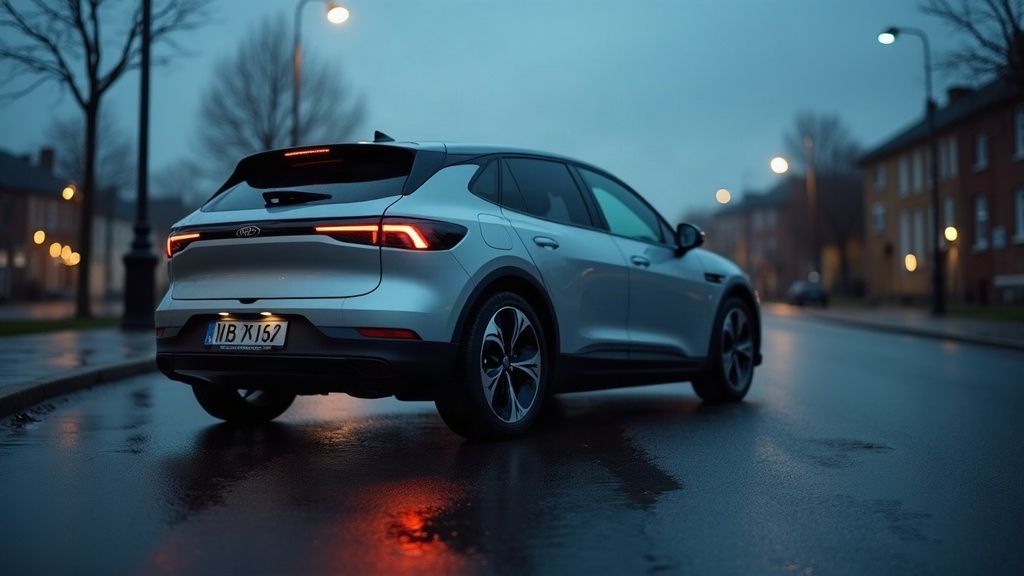
What EV ownership actually costs per kilometre in NZ now
RUCs are locked in, charging costs are real, and the maths has shifted. We work through what Leaf, Atto 3, and Model 3 owners are paying once every cost is stacked up.
The NZ Angle
Light electric vehicles lost their RUC exemption in April 2024, and the phase-in is done. From 1 April 2025, owners of EVs under 3.5 tonnes pay the full rate of $76 per 1,000km, the same as diesel light vehicles. That changes the cost conversation considerably. For years, zero RUCs was one of the strongest financial arguments for going electric in New Zealand, particularly for high-kilometre drivers. That argument is now gone. What remains is the question of whether cheaper home charging, lower servicing costs, and longer brake life are still enough to keep EVs ahead of a comparable petrol import on a per-kilometre basis. The three vehicles worth examining are the ones actually moving in the New Zealand used-car market right now: the Nissan Leaf, which has been here long enough to have a genuine secondhand ecosystem; the BYD Atto 3, which arrived in volume from 2022 and is now appearing at the $35,000-$45,000 used mark; and the Tesla Model 3, which sits higher in price but commands strong residuals. Against those, a 2019-2021 Toyota RAV4 petrol or a well-specced Mazda CX-5 petrol gives a fair comparison point for a family buyer with real distances to cover.
Read article →
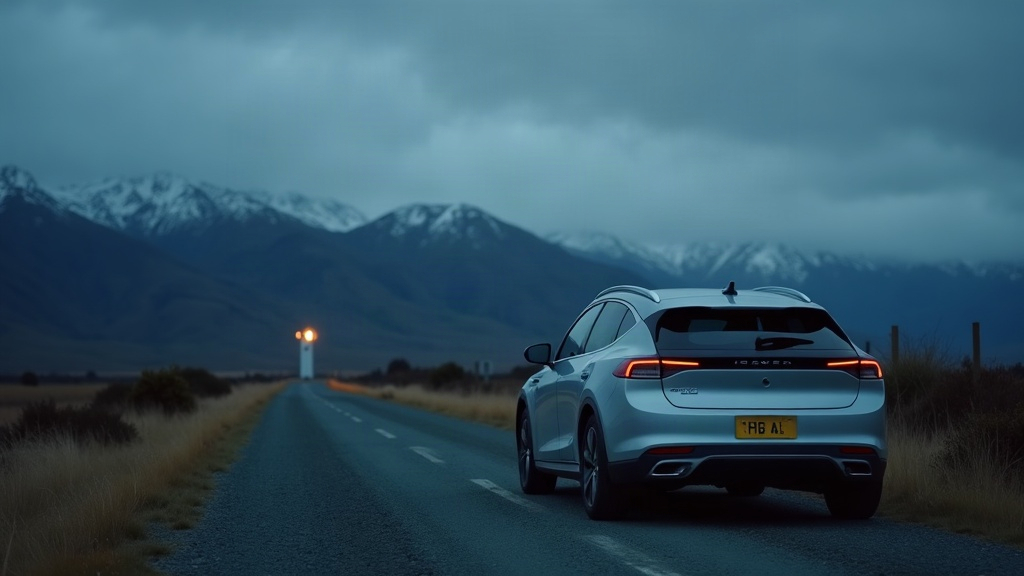
EV road user charges after a year: do the numbers still work for Canterbury buyers?
Light EV road user charges have been running for over a year. We crunch what Canterbury Leaf and Prius owners are actually paying versus what they're saving at the pump.
The NZ Angle
From 1 April 2024, light electric vehicles lost their RUC exemption and now pay $76 per 1,000 kilometres, the same rate as light diesel vehicles. For Canterbury drivers, that change landed in the middle of a cost-of-living squeeze, and it shifted the EV value calculation in ways that weren't obvious when people bought their cars. A second-hand Nissan Leaf that looked like a running-cost winner at $18,000 in 2023 now carries an ongoing charge that many owners didn't budget for. The Clean Car Discount also ended in December 2023, so the purchase-side incentive is gone too. What's left is the raw arithmetic: what does it cost to run a used Leaf or plug-in Prius in Christchurch across a typical year, factoring in home charging rates, RUCs, servicing, and the kind of mixed driving Canterbury actually involves, including the Port Hills, the plains commute, and the occasional run to Hanmer or the ski fields where range and regeneration behave differently to flat urban driving. The numbers are still interesting. They're just not as one-sided as EV advocates were claiming two years ago.
Read article →

A year of full EV road user charges: what it actually costs
The RUC exemption for light EVs ended 1 April 2024. Twelve months on, we look at what that means for Leaf and BYD Atto 3 owners in Canterbury and whether the used-EV price case still holds.
The NZ Angle
Road user charges on light electric vehicles phased in gradually after the exemption ended, landing at the full rate of $76 per 1,000 km from 1 April 2024. For context, a diesel car paying RUCs at around $76 per 1,000 km has always been part of the ownership equation, but EV buyers had grown used to that line being zero. Now it isn't. A Nissan Leaf owner covering 15,000 km a year is paying roughly $1,140 annually in RUCs alone, on top of electricity costs. A BYD Atto 3, heavier and with a larger battery, sits in a higher RUC band at $53 per 1,000 km for its weight class, pushing the annual bill to around $795 for the same distance. The Clean Car Discount, which once softened the upfront hit on new EVs, was scrapped at the end of 2023. Used EV prices have drifted lower since, and Canterbury buyers who once looked at a $19,000 Leaf as a no-brainer against a $16,000 Aqua now face a closer calculation. Petrol sitting between $2.50 and $3.00 per litre keeps the hybrid argument alive, but the numbers are tighter than EV advocates are comfortable admitting.
Read article →
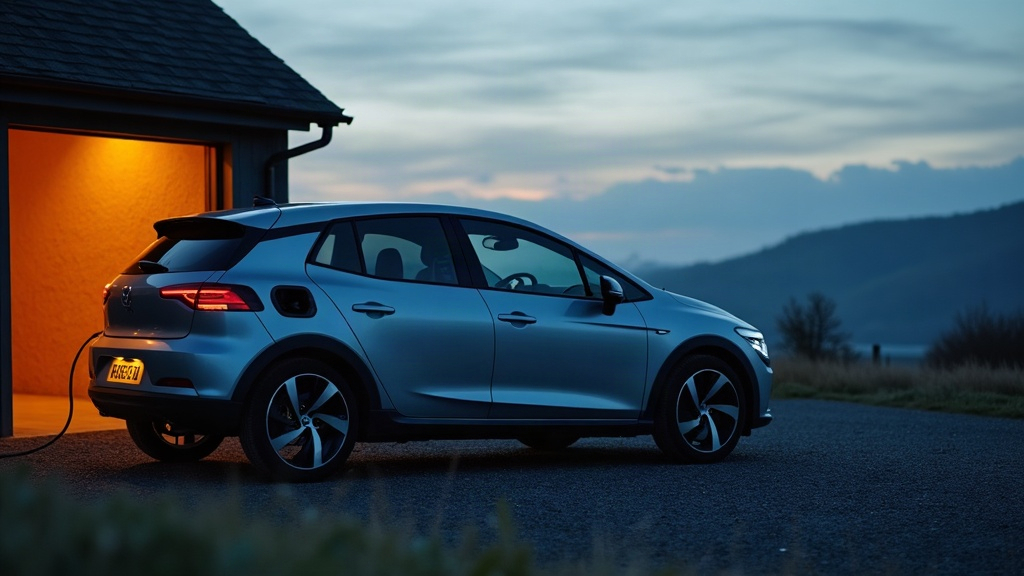
What EVs actually cost per kilometre in NZ right now
RUC charges are locked in, power prices keep climbing, and the winter off-peak window is narrowing. Here's what a Leaf, Atto 3, and MG ZS EV genuinely cost to run versus petrol alternatives.
The NZ Angle
Light electric vehicles lost their RUC exemption in April 2024, and the rate has since settled at $76 per 1,000km for vehicles under 3,500kg. That's not trivial. On a Nissan Leaf averaging 15,000km a year, you're looking at $1,140 in RUCs before you've spent a cent on power. Add electricity at current Orion network residential rates around 35-40 cents per kWh in Canterbury, and the maths starts looking a lot less clean than the EV sales pitch suggested circa 2021. The one genuine saving grace heading into winter is that many Canterbury households on Meridian, Contact, or Genesis plans have access to overnight off-peak rates as low as 17-22 cents per kWh, typically running midnight to 7am. Scheduled charging during those windows cuts your effective fuel cost considerably, but it requires either a smart charger with timer functionality or disciplined manual scheduling. Come spring, spot pricing tends to firm up and those off-peak windows narrow or disappear on some plans. For buyers currently weighing up a used EV purchase in the $15,000-$35,000 range, the window to lock in winter charging habits and genuinely beat petrol on running costs is right now, not in six months.
Read article →

EV running costs vs petrol: what Canterbury drivers actually pay
RUC charges are locked in, power prices keep climbing. We crunch the real per-kilometre numbers for the Leaf, MG ZS EV, and BYD Atto 3 against their petrol rivals.
The NZ Angle
Light EVs lost their RUC exemption in April 2024, and the current rate sits at $76 per 1,000 kilometres for vehicles under 3,500 kg. That changes the maths considerably. Before the exemption ended, EV owners were effectively getting free road funding, which made the fuel-cost comparison against petrol cars look flattering in almost every scenario. Now you're paying both for electricity and for road use, and electricity in New Zealand hasn't been kind lately. Meridian, Contact, and Genesis have all lifted household rates over the past 18 months, with many Canterbury residential customers now sitting above 30 cents per kWh on standard plans, and considerably more on peak evening rates if they're not on a time-of-use tariff. Charging at home on a standard meter overnight is still the cheapest approach, but it's no longer the near-free proposition some buyers were sold on when they signed the paperwork. The Clean Car Discount is gone too, so the purchase price premium on a new or near-new EV no longer gets softened at the border. What remains is a genuine question: once you account for RUCs, real-world electricity costs, and the purchase price gap, does an EV still save you money against a comparable petrol car over a typical ownership period? The numbers are worth running honestly.
Read article →
NZ Automotive Resources
NZTA Waka Kotahi
NZ Transport Agency — regulations, licensing, road safety
Visit site→
AA New Zealand
Motoring advice, vehicle inspections, insurance
Visit site→
Consumer NZ
Independent vehicle reviews and buyer guides
Visit site→
Driven
NZ Herald automotive news, reviews, and listings
Visit site→
Motor Industry Association
NZ new vehicle sales data and industry statistics
Visit site→
RightCar
Government fuel economy and emissions ratings
Visit site→