Motorsport News
Formula 1, V8 Supercars, rally, and global racing headlines
Latest Headlines
SvG leads the championship charge as Supercars heads for the finale
Shane van Gisbergen extended his points lead at the most recent Supercars round, with the standings tightening as the 2026 season enters its final stretch.
The NZ Angle
For a country that has produced more than its share of Supercars talent relative to its size, the 2026 season is carrying some genuine weight. Van Gisbergen is the obvious focal point. He left New Zealand for the full-time Supercars seat that made his name, and whatever one thinks of his subsequent NASCAR detour, he came back to the Camaro with something to prove. The standings suggest he has been proving it. Back home, the interest is real. Hampton Downs has hosted Supercars events before and the conversation about a return fixture surfaces periodically in the right places. Whether that happens is another matter, but the appetite is there. For the average Kiwi following the series, SvG is the thread that ties local identity to what remains the dominant touring car championship in this part of the world. Liam Lawson is doing his thing in Formula 1, which draws the lion's share of the spotlight, but Supercars still matters here, and when a New Zealander is running at the front of it, the traffic to results pages the morning after tells its own story.
Van Gisbergen presses on as Supercars title race tightens
Shane van Gisbergen delivered a strong showing at the most recent Supercars round, keeping himself in championship contention as the 2026 season enters its final stretch.
The NZ Angle
For a country that produces racing drivers well out of proportion to its size, the Supercars championship has long served as a kind of proof of concept. Shane van Gisbergen remains the most visible Kiwi in the series, and what he does over the final rounds will determine whether New Zealand can claim another title in a championship it has come to regard as almost a home competition. Liam Lawson's trajectory through Red Bull's Formula One programme means the single-seater pipeline is healthy, but Supercars is where Kiwi fans have traditionally watched their own compete at the sharpest end of a genuinely competitive field. Van Gisbergen's results matter here not just as sport but as a reminder that the pathway from Hampton Downs club days and the Toyota Racing Series to a full factory seat in Australia is still open, still worth pursuing. Any young driver coming through the NZ Rally Championship or the domestic circuit scene will be watching how SvG manages the pressure of a title fight across the Tasman, and drawing conclusions about what the next step looks like.
Van Gisbergen and the Kiwi contingent at a crossroads in 2026 Supercars
The most recent Supercars round has reshuffled the championship standings with only a handful of events remaining, and New Zealand's drivers sit in very different positions heading into the run home.
The NZ Angle
Shane van Gisbergen's career arc has always carried weight for New Zealand motorsport followers, partly because of what he represented during his Holden and Red Bull Ampol years, and partly because his move to NASCAR Cup competition in North America turned a domestic icon into something more complicated to track. His Supercars commitments in 2026 are selective rather than full-season, which means every round he enters carries outsized significance for the championship arithmetic. Liam Lawson's trajectory ran the other way, from domestic karting and the Toyota Racing Series at Hampton Downs through Formula 2 and into Formula 1, so he's not a Supercars factor. But for fans who grew up watching SvG at Pukekohe before that circuit lost its place on the calendar, or who followed him through Bathurst victories, his current Supercars appearances feel like a closing chapter rather than an ongoing campaign. The broader question for New Zealand motorsport is whether the pipeline that produced van Gisbergen, Lawson, and Scott McLaughlin continues to function at the domestic level, given the costs involved in TRS and national series competition.
Van Gisbergen and Lawson's Supercars battle heads into the sharp end of 2026
The latest Supercars round has reshuffled the championship order with New Zealand's Shane van Gisbergen again in the mix. Here's where things stand with the title fight tightening.
The NZ Angle
Shane van Gisbergen has been the most significant Kiwi export to Australian touring car racing in a generation, and the 2026 season is shaping up as another demonstration of why that reputation holds. His results in the most recent round carry weight beyond the points tally: the margins he's working with, the tyre management calls his team are making, and the setup directions they're committing to mid-season all tell you something about where Triple Eight sees the competitive picture right now. For New Zealand fans following from home, there's also the question of Liam Lawson's trajectory in European single-seaters and whether any pathway back to Supercars exists in the medium term, though that remains speculative at this stage. What isn't speculative is the standard van Gisbergen is setting. The series doesn't come to New Zealand, and Pukekohe's loss from the calendar was a genuine blow to local access to the championship. Watching domestically means streaming or highlight packages, but the level of on-track technical competition makes it worth the effort, particularly with the title picture still genuinely open heading into the second half of the year.
Van Gisbergen back in the mix as Supercars title race tightens
Shane van Gisbergen delivered a strong round result as the 2026 Supercars season enters its final stretch, with the championship order tightening at the top.
The NZ Angle
For Kiwi fans watching the 2026 Supercars season, the last few rounds have been a reminder of how quickly momentum shifts in this series. Shane van Gisbergen has been the dominant story from a New Zealand perspective since his return to full-time Supercars competition, and a points haul from the most recent round keeps him in genuine title contention with only a handful of rounds remaining. That matters here because SvG carries a following in New Zealand that crosses over well beyond motorsport enthusiasts. His career arc, from kart tracks around Auckland to Supercars titles and his brief but notable NASCAR detour, is the kind of story that pulls casual fans back into watching. Beyond van Gisbergen, Liam Lawson's Formula 1 commitments mean he isn't on the Supercars grid, but his profile has lifted interest in NZ motorsport broadly. Closer to home, the conversation around a potential street race or event that could draw the Supercars circus back across the Tasman remains alive, even if nothing is confirmed. Pukekohe hosted the series until 2022, and there is still appetite from promoters and fans alike to see it return in some form.
SVG and McLaughlin split the spoils at Sydney Motorsport Park
Shane van Gisbergen and Scott McLaughlin each took race wins at the most recent Supercars round, keeping the championship battle tight with the season run-in approaching.
The NZ Angle
For followers of the sport in New Zealand, watching SVG and McLaughlin trade wins at Sydney Motorsport Park carries a particular weight. These are two drivers who came through the same domestic pipeline, both having raced on circuits like Hampton Downs and Pukekohe before the Supercars paddock came calling. Van Gisbergen still holds that connection most visibly. He remains a draws card for Kiwi fans in a way that transcends the Triple Eight livery, and his continued presence near the front of the field, even as the sport flirts with new manufacturers and shifting team dynamics, is a reminder of how durable genuine pace can be. McLaughlin's trajectory is different. He has been in the US on IndyCar for several years now, and his Supercars appearances feel like guest appearances from someone who has moved on. That he can still win races against a full-time field says something about the base he built here before he left. Back home, neither Hampton Downs nor Pukekohe is currently on the Supercars calendar, but the interest in the championship among New Zealand motorsport followers has not dimmed. The two Kiwis at the front of the field are a large part of why.
Van Gisbergen leads the way as Supercars heads into its final stretch
Shane van Gisbergen claimed another strong result at the most recent Supercars round, tightening his grip on the championship with just a handful of rounds remaining in 2026.
The NZ Angle
For a country that produced Shane van Gisbergen, Scott McLaughlin, and now Liam Lawson in an entirely different category, New Zealand has never had trouble punching above its weight in circuit racing. Van Gisbergen's current Supercars campaign matters here because he remains the most visible Kiwi in Australian touring car racing, and his results land differently at home than they do across the Tasman. There is genuine interest in whether he can replicate the kind of dominant championship runs he put together with Red Bull Ampol in previous seasons, now operating in a changed competitive environment. Locally, Supercars coverage on Sky Sport NZ keeps the series accessible, and the conversation around SvG tends to surface at club nights from Hampton Downs to Ruapuna whenever he's in contention. McLaughlin's path from Supercars to IndyCar, and Lawson's ascent through Formula 2 into Formula 1, give younger New Zealand club racers a clearer sense that the pipeline from domestic racing to international categories is real. What happens in the Supercars standings over the coming rounds will determine whether van Gisbergen is racing for a title or managing a season, and either way, New Zealand will be watching.
Van Gisbergen leads Kiwi charge as Supercars season tightens
Shane van Gisbergen delivered a strong result at the latest Supercars round, keeping his championship hopes alive as the series heads toward its final rounds.
The NZ Angle
For anyone who has followed Shane van Gisbergen from his early New Zealand Touring Car days through to his triple Supercars title run with Red Bull Ampol Racing, watching him adapt to the Chevrolet Camaro under the new Gen3 regulations has been one of the more absorbing threads in recent Supercars seasons. Van Gisbergen is not simply New Zealand's most prominent active motorsport export — he is the benchmark against which younger Kiwi talent now measures itself. Liam Lawson's trajectory through single-seaters, Richie Stanaway's difficult career arc, and the steady progression of drivers like Matt Payne through the Supercars grid all sit in the context of what SvG demonstrated was possible from this country. Payne, driving for Grove Racing, is himself a Queensland-based Kiwi whose results carry genuine weight here. The Supercars Championship has historically been the most accessible top-tier circuit racing series for New Zealand viewers — it screens here, the travel is manageable, and the cultural overlap with Australian motorsport runs deep. How the final rounds of the season resolve will determine whether New Zealand claims another title in what remains the most competitive touring car series in the southern hemisphere.
Van Gisbergen leads Kiwi charge as Supercars title fight tightens
Shane van Gisbergen's latest round result keeps him in the championship picture, while the broader Kiwi contingent in Supercars faces a run-home with little margin for error.
The NZ Angle
Shane van Gisbergen has always carried a particular weight of expectation in New Zealand, the way few drivers in any series do. He came up through the local ranks — karting, the odd club day, the kind of formative racing that still happens at Pukekohe before the V8s stopped going there — and his trajectory through Supercars has been watched here with something closer to proprietary interest than casual fandom. His 2021 championship was the third for a Kiwi in the series, following Scotty McLaughlin's back-to-back titles, and it sustained a lineage that goes back further than most people remember. Now, with the championship deep into its second half and the calendar burning down, the question of whether van Gisbergen can sustain a title challenge while also managing the speculation around his future — his NASCAR programme opened doors that don't close quietly — sits at the centre of every Supercars conversation worth having. For New Zealand motorsport, the stakes are real. If SvG remains in contention through the final rounds, it keeps the series relevant to a domestic audience that has fewer and fewer touchpoints with international racing since Pukekohe dropped off the calendar.
Van Gisbergen and the Kiwi contingent after the latest Supercars round
The most recent Supercars round has reshuffled the standings with the season entering its final stretch. Here is where Shane van Gisbergen and New Zealand's other competitors sit.
The NZ Angle
Shane van Gisbergen remains the most watched Kiwi name in Australian Supercars, and his results carry weight beyond the championship table. Since his move into the NASCAR Cup Series and his part-time Supercars programme, every round he contests draws attention from New Zealand fans who followed his dominance through the Triple Eight years. Liam Lawson's trajectory through Formula 1 has somewhat shifted where local attention goes on a given weekend, but Supercars is where the grassroots NZ motorsport audience still plants its flag. The series itself has no current rounds held in New Zealand. Pukekohe hosted the championship for decades, with the ITM Auckland SuperSprint a fixture on the calendar until 2022, when the track closed for redevelopment. There has been no confirmed return to New Zealand soil since. For Kiwi fans following the 2026 title fight, it is a streaming exercise rather than a live one, which makes the results feel slightly abstract. What it does do is keep van Gisbergen's name relevant in local conversation, particularly among the community that cut its teeth watching him develop through the New Zealand Motor Cup and TRS fields before he became a three-time Supercars champion.
Van Gisbergen leads the points but the title is far from settled
Shane van Gisbergen holds the Supercars championship lead after the most recent round, but the margins are tight and the calendar is running short.
The NZ Angle
For anyone following Supercars from this side of the Tasman, the 2026 season has been a study in patience. Van Gisbergen left New Zealand for NASCAR in 2023 and made his Supercars return with Triple Eight last year, and the question since then has been whether he could string a full season together the way he did in those dominant Holden years. The evidence from recent rounds suggests he can, though the series has changed enough around him that nothing is guaranteed. Liam Lawson's trajectory through Formula One has been the bigger local story in 2025 and into 2026, but SVG remains the Kiwi name that Supercars fans here actually watch on a Sunday morning. There are no other Kiwi regulars in the main field this season, which makes his results carry more weight than they might otherwise. Back home, the TRS calendar and the NZ Rally Championship occupy the summer months, but Supercars fills the gap through the New Zealand winter in a way nothing else quite manages, and a Kiwi running at the front of the standings makes that appointment viewing rather than background noise.
Van Gisbergen holds ground as Supercars enters the sharp end of 2026
Shane van Gisbergen delivered a measured round as Supercars' 2026 season hits its mid-point. Here's where the Kiwi contingent stands and what the remaining rounds demand.
The NZ Angle
Shane van Gisbergen's Supercars career has always carried weight back home, partly because New Zealand produces so few drivers who reach the top tier of Australian touring car racing and sustain themselves there. His trajectory from karting through TRS and into Supercars is the kind of path local clubs at Hampton Downs and Ruapuna talk about when they discuss what the development ladder can actually produce. With the 2026 season now past its midpoint, the standings matter in a concrete way: if van Gisbergen is in championship contention through the back half, the conversation around his future, whether that's another Supercars campaign, a deeper Stateside push in NASCAR, or something else, gets louder and more specific. Liam Lawson's parallel trajectory in Formula 1 means New Zealand currently has two drivers in major international championships simultaneously, which hasn't been the norm. For Kiwi fans tracking both, the schedules rarely align for a clean weekend of watching, but the Supercars calendar through the final rounds gives SvG a genuine shot at accumulating points on circuits that have historically suited his style. The question heading into the back half isn't whether he can win races. It's whether the consistency is there across a full round, both Saturday and Sunday, on circuits where tyre deg separates the setup calls from the guesswork.
Van Gisbergen holds ground as Supercars title fight tightens
Shane van Gisbergen banked solid points at the most recent Supercars round, but the championship margin is thinning with rivals closing across the final stretch.
The NZ Angle
For Kiwi fans tracking the Supercars championship, the arithmetic at the top of the standings is worth watching closely. Shane van Gisbergen has been the most successful New Zealand driver in the series since Greg Murphy retired, and his trajectory through each round carries real weight back home, particularly for the community that follows domestic tin-top racing at venues like Hampton Downs and Pukekohe. The challenge van Gisbergen faces in the back half of any Supercars season mirrors what Kiwi drivers have historically encountered in Australian-run series: the calendar compresses, the circuits favour different car setups, and any mechanical misfortune from earlier rounds starts to show in the delta between where a driver should be on points and where they actually are. New Zealand has no direct Supercars round on the calendar currently, so the connection is purely through the drivers. But with Liam Lawson building his international profile in single-seaters and van Gisbergen remaining the most visible Kiwi in touring car racing globally, results in Australia still generate genuine interest on this side of the Tasman. How the remaining rounds play out will determine whether SvG closes another season as champion or is forced to watch the trophy go elsewhere.
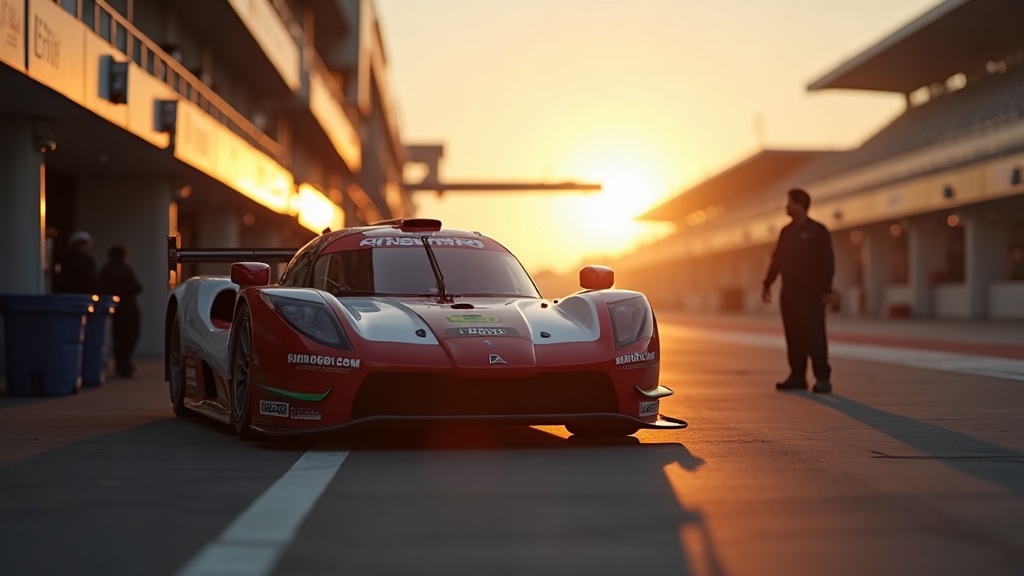
Van Gisbergen leads Kiwi charge at Darwin but title fight tightens
Shane van Gisbergen took points at the Darwin Triple Crown, but the championship picture is tighter than the results sheet suggests. Here is where the Kiwis stand.
The NZ Angle
Van Gisbergen's Supercars career has always carried a particular weight here. He is, depending on your vintage, either the guy who made Kiwis care about Australian touring cars again or the guy who left for NASCAR too early. Either way, people follow his results on a Monday morning in a way they do not follow most Australian motorsport. The Darwin round matters because the Triple Crown format, three races across a weekend rather than the standard two, compresses the points swings and tends to sort the reliable from the spectacular. SVG tends to be both, which is why a mixed weekend there can still leave him well-positioned. For those watching the Supercars standings with an eye on the season finale, the rhythm of these mid-season rounds defines whether the championship arrives in Sydney in November as a contest or a coronation. Liam Lawson is otherwise occupied in Formula 1's support ladder, so the Kiwi flag in pitlane is carrying fewer poles these days. But Van Gisbergen remains a genuine drawcard, and Darwin, remote and hot and unforgiving, tends to produce the sort of racing that reminds you why the series still matters.
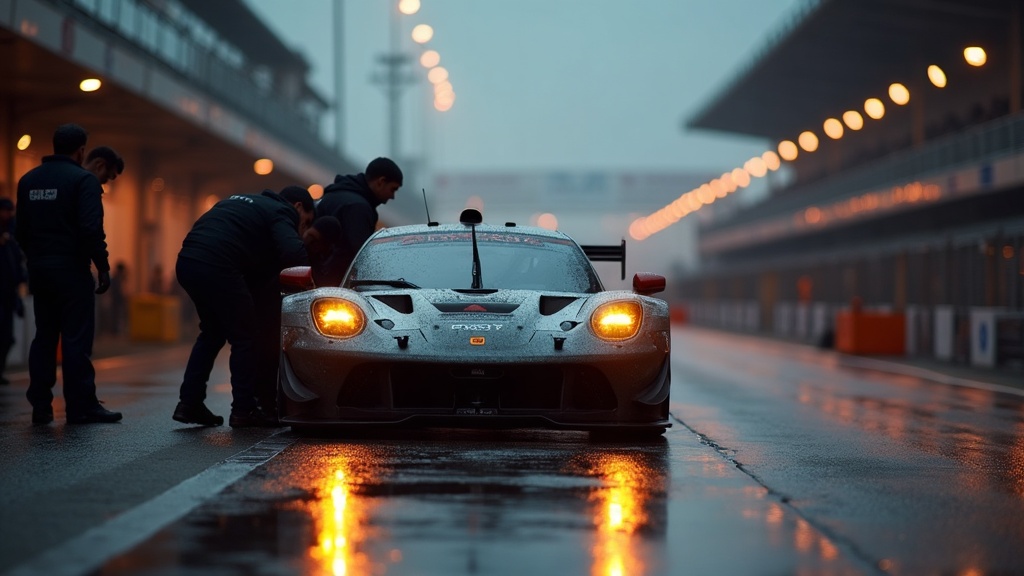
Van Gisbergen holds ground as Supercars reaches the midpoint
The most recent Supercars round has tightened the championship picture, with Shane van Gisbergen among the Kiwi contingent worth watching as the second half of 2026 approaches.
The NZ Angle
Shane van Gisbergen has spent most of his post-Supercars career in North America, and his absence from the main game has left a gap in the series that no other Kiwi has quite managed to fill with the same consistency. Liam Lawson's rise through Formula 2 and into Formula 1 machinery drew attention away from the touring car world, and rightly so, but the domestic conversation about New Zealand's place in Supercars has quietly narrowed. The Supercars calendar no longer visits Pukekohe, a loss that still registers with anyone who remembers the noise that circuit produced during a V8 weekend, and the lack of a home round makes it harder for local fans to feel the series as something that belongs to them. What remains is the investment in individual drivers: SvG's reputation, built across years of Bathurst wins and championship tilts, still carries weight in New Zealand. How he and any other Kiwis on the grid finish the 2026 season will determine whether that connection holds through to 2027, or whether Supercars continues its slow drift from being a sport New Zealanders follow closely to one they check results on Monday morning.
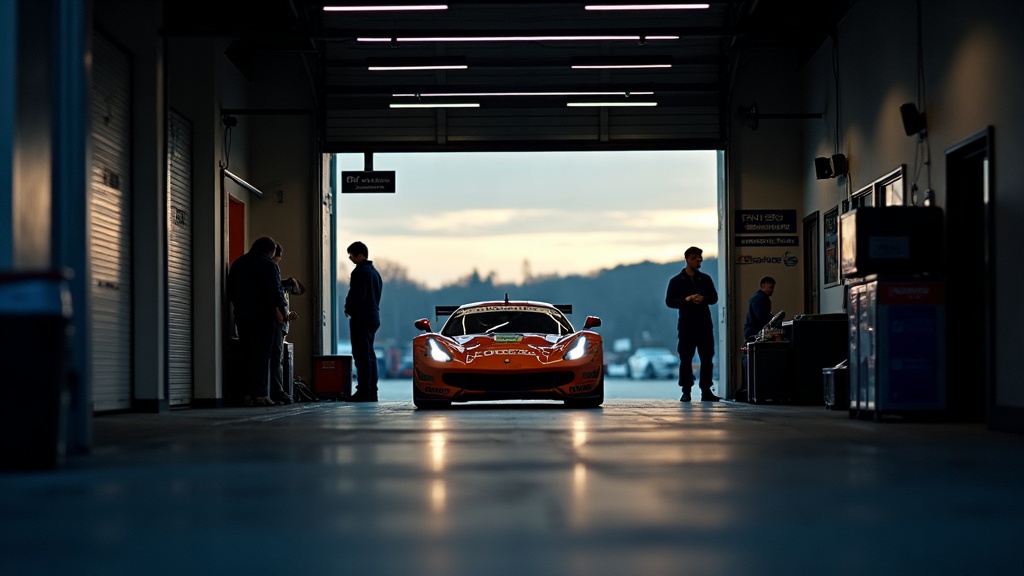
Van Gisbergen leads the independents as Kiwis hold their ground at mid-season
The most recent Supercars round added another chapter to Shane van Gisbergen's independents' title push, while the broader Kiwi contingent delivered a mixed but meaningful set of results.
The NZ Angle
For a country that punches well above its weight in Australian touring car racing, the 2026 Supercars season is shaping up as one worth following closely from this side of the Tasman. Van Gisbergen is the obvious headline, running the Triple Eight-built Camaro under the Erebus banner this year and doing what he tends to do when given a competitive package: making life uncomfortable for people with bigger budgets. But beyond SvG, there are a handful of Kiwis scattered through the field whose results matter to the domestic scene. How those drivers perform internationally has a direct bearing on sponsor interest, team investment, and ultimately the health of local series like the Toyota Racing Series, which has historically served as the pipeline. Lawson's trajectory through Formula 2 and into the Red Bull senior programme is the more glamorous story, but the Supercars contingent is where the rubber meets the road for most New Zealand motorsport fans. Pukekohe's loss as a round venue still stings in the paddock. The conversation about a return, or a replacement round at Hampton Downs, surfaces every few months without resolution. In the meantime, Kiwis follow the series from afar and find reasons to stay invested through their own.
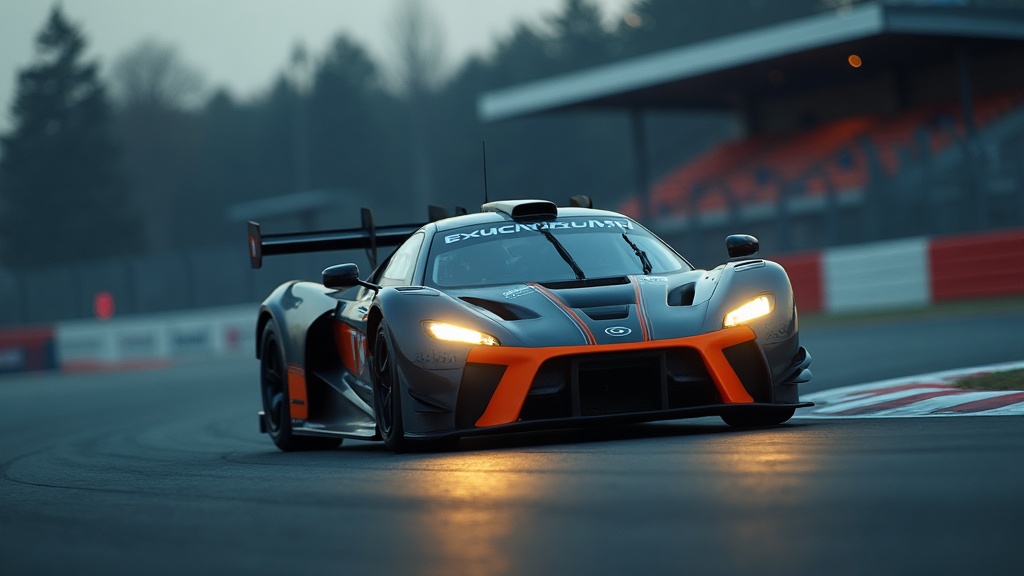
Supercars 2026: where the Kiwi contingent stands at the halfway point
The most recent Supercars round has reshuffled the championship order. Here is how New Zealand-connected drivers fared and what the standings mean from here.
The NZ Angle
Shane van Gisbergen remains the most visible New Zealand name in Supercars, though his trajectory since the Gen3 regulations bedded in has been worth watching closely rather than simply assuming dominance. The championship points gap heading into the second half of 2026 will shape whether Triple Eight commit to a full campaign push or begin conserving resources for 2027 development. For Kiwi fans, the broadcast situation remains frustrating — Sky Sport NZ carries selected rounds but live coverage of street circuits and twilight events has been inconsistent, meaning many are following via timing apps and social media clips rather than proper broadcast. Richie Stanaway's return to competitive racing in any capacity continues to draw interest domestically, given what he showed in his earlier Supercars stint before health issues intervened. Any New Zealand driver holding a top-five championship position at the halfway mark would represent the strongest Kiwi showing in the series since van Gisbergen's 2022 title defence. Hampton Downs and Pukekohe both demonstrated what a Supercars round on New Zealand soil could deliver in crowd terms, so the ongoing absence of a NZ round on the calendar remains a genuine gap in the sport's southern hemisphere strategy.
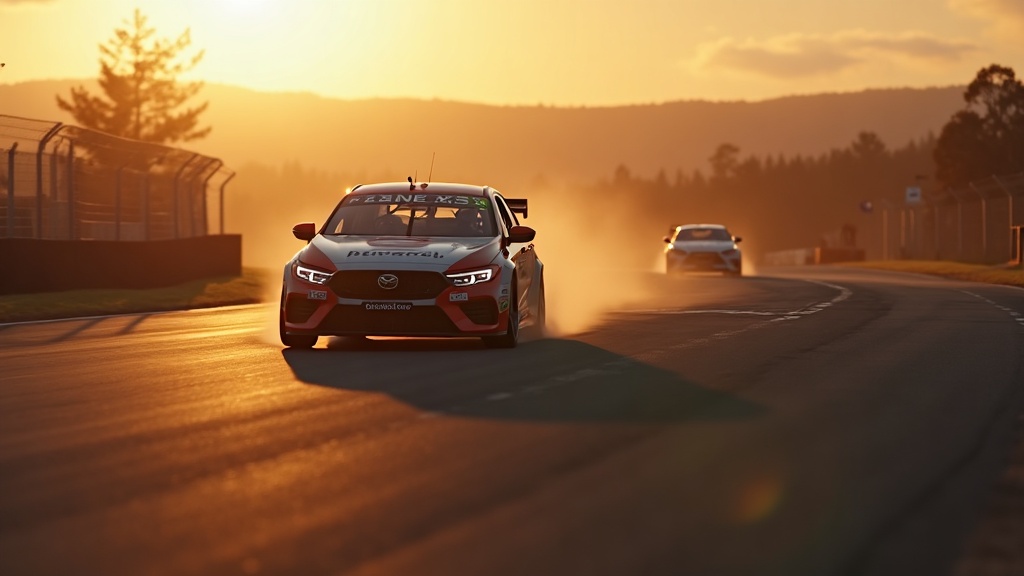
Van Gisbergen leads Kiwi charge at Darwin but title gap narrows
Shane van Gisbergen took points at Hidden Valley but the championship picture tightened as his rivals closed in over the Darwin SuperSprint weekend.
The NZ Angle
For followers of Supercars in New Zealand, Darwin is always a circuit worth watching closely. The SuperSprint format — two shorter races per day rather than a single endurance — compresses the decision-making window considerably, which tends to suit drivers with van Gisbergen's instinct for reading tyre state mid-stint. SvG has been the dominant Kiwi presence in the series since Scott McLaughlin made his full transition to IndyCar, and the gap between him and the next NZ-connected competitor on the grid has only grown. Richie Stanaway's Supercars career has wound down, leaving van Gisbergen carrying the flag largely alone. That puts extra weight on each round result for NZ fans following the championship, particularly with the second half of the calendar loading up with circuits — Bathurst chief among them — where SvG has a strong conversion rate. How he manages the points deficit or buffer through the middle rounds will shape whether this is another title charge or a season that slips away in the detail.
SvG and Kiwi connections at the latest Supercars round
Shane van Gisbergen and the New Zealand contingent in Supercars faced a mixed round as the 2026 championship heads into its second half with the title fight tightening.
The NZ Angle
Shane van Gisbergen remains the most prominent Kiwi name in Supercars, and how he goes in the back half of the 2026 season matters to a New Zealand audience that has followed him since his early days in the TRS and the domestic tin-top scene. SvG's move to the Chevrolet Camaro-based Trackhouse entry in the NASCAR Cup Series has split his schedule, but his Supercars commitments have kept him in the mix with the Kiwi fanbase that grew up watching him throw a car around Hampton Downs and Pukekohe. For those of us who remember what he was doing in New Zealand club racing before he became the best thing to come out of Auckland since Bruce McLaren, the Supercars results still land with weight. Liam Lawson's trajectory through Formula 1 has pulled some of the national spotlight away from tin-top racing, but the Supercars grid retains real meaning here. Parts availability and mechanical knowledge from the Supercars-spec Gen3 platform have no direct consumer import path, but the racing shapes the conversation about what performance cars can do, and that filters through to how enthusiasts here think about what they're buying and driving.
SvG leads the way as Supercars hits its midpoint
Shane van Gisbergen extended his championship lead at the most recent Supercars round, while the broader standings set up a tight contest through the second half of 2026.
The NZ Angle
For a country that punches above its weight in circuit racing, the Supercars Championship has long been a proving ground for Kiwi talent. Shane van Gisbergen's dominance in the series over the past several seasons demonstrated what a technically astute driver operating at the top of his mechanical understanding can achieve in a spec-adjacent category where setup margins are thin. Liam Lawson's trajectory through Formula 2 and into Formula 1 showed a different path, but Supercars remains the most accessible elite series for a New Zealand fan base that can actually watch it live, follow the tyre strategies in real time, and understand the circuits. Hampton Downs has hosted international-calibre tin-top racing, and Pukekohe's history as a Supercars venue gave a generation of local fans a reference point for what these cars actually sound and behave like at the limit. The championship standings heading into the back half of 2026 matter here because van Gisbergen's career arc, whatever form it takes across different series, began in this category and any success he carries forward reflects directly on the depth of the New Zealand motorsport pipeline.
Lawson at Red Bull: what his 2026 form actually tells us
Liam Lawson is holding his own at Red Bull Racing through mid-2026, but the championship gap to his team-mate raises questions about how long patience lasts at Milton Keynes.
The NZ Angle
New Zealand has produced a handful of drivers who made it to Formula 1, fewer who stayed. Lawson getting a full season at Red Bull is already the most significant result any Kiwi driver has achieved at that level since the sport's early days of small-budget entries. That context matters when you assess his 2026 season, because the standard he's being held to isn't 'impressive for a Kiwi' — it's 'good enough for Red Bull', and those are entirely different bars. Back home, the conversation in motorsport circles tends to run warmer than the paddock reality. Hampton Downs has hosted the Toyota Racing Series for years specifically as a pathway to international single-seater racing, and Lawson came through that route. Kiwi fans followed that progression closely. The question now is whether the pride in getting there translates into an honest read of where he actually stands. Red Bull do not carry passengers. They showed that with Gasly, with Albon, with Kvyat. The team's internal politics are well-documented and not especially sentimental. For New Zealand fans wanting Lawson to be there in 2027, the points table and the lap-time delta against his team-mate are the numbers that count, not the ones in the press releases.
Lawson's mid-season check: is the Red Bull seat still his?
After nine rounds of 2026, Liam Lawson sits mid-pack in the drivers' standings. The British Grand Prix weekend raised more questions than it answered about his long-term future at Red Bull.
The NZ Angle
Lawson is the most prominent Kiwi on the Formula 1 grid right now, full stop. That makes every paddock whisper about his seat security a matter of genuine interest here, not just for fans but for the shape of New Zealand's involvement in the sport at the highest level. If Lawson gets moved sideways or dropped, there is no obvious successor waiting. Liam Lawson getting to Red Bull Racing was not a given — it was the product of years in the Red Bull junior programme, a strong cameo at VCARB in 2024, and some reasonably brave calls by the Red Bull hierarchy. The concern heading into the summer break is whether those same people are still as committed to him now that the results have been mixed. Red Bull have previous with this: Gasly, Kvyat, Albon — all had genuine talent, all found the senior team unforgiving. Lawson knows the history as well as anyone. For Kiwi fans, the next eight weeks of the off-season will probably tell the story. Movement in the silly season tends to happen fast once the summer shutdown ends, and Red Bull are not known for patience.
Lawson's Silverstone form puts his Red Bull seat in question
After a difficult British Grand Prix weekend, Liam Lawson's position at Red Bull Racing is drawing scrutiny. The second half of 2026 will likely decide his future in the top seat.
The NZ Angle
For anyone following Lawson's career from this side of the world, the Silverstone weekend had a familiar, uncomfortable feel. He is New Zealand's best shot at a race-winning Formula 1 driver in a generation, and the machinery is theoretically there. Red Bull's RB22 is not the dominant tool it once was, but it is still a front-running car on its day. The problem is that Lawson needs those days to come more consistently, and at Silverstone they did not. In New Zealand, the appetite for following his progress is real. Lawson came through the Toyota Racing Series at Hampton Downs and Taupo, beat some quality opposition, and earned his way into the Red Bull junior system the hard way. There is genuine emotional investment here that goes beyond casual F1 fandom. The question being asked in paddock circles now is whether Red Bull will give him the rest of 2026 to find his feet properly, or whether the Helmut Marko model of swift decisions will reassert itself. History suggests patience is not the house style at Milton Keynes. Lawson knows that better than anyone.
Van Gisbergen back on top as Supercars heads to the Bend
Shane van Gisbergen claimed a round win at Sydney Motorsport Park, closing the championship gap and reminding the field he's far from done for 2024.
The NZ Angle
Shane van Gisbergen's relationship with Supercars has always been more complicated than the trophy count suggests. He's the best driver the series has produced in the last decade, and yet his move to NASCAR in 2024 meant many assumed his Supercars appearances this year would be ceremonial. They haven't been. Every time he straps into a wildcard entry, he runs at the front, which says as much about his natural pace as it does about the quality of the Triple Eight preparation. For New Zealand motorsport, van Gisbergen is the clearest thread connecting local club racing to the top tier of professional tin-top competition. Drivers coming through the Toyota Racing Series or the NZ Rally Championship can point to him as proof the pathway works. Liam Lawson's trajectory through single-seaters is the other side of that coin. Neither came from money alone. Both came from serious pace developed on real circuits under real pressure. When SvG wins a round in Supercars while simultaneously campaigning in NASCAR, it's a reminder that Kiwi drivers don't typically show up to make up the numbers.
Van Gisbergen podium push falls short at Taupo-equivalent round
Shane van Gisbergen showed pace across the weekend but converted less than the result deserved. Here is how the Kiwis fared at the latest Supercars round.
The NZ Angle
Shane van Gisbergen remains the most watched Kiwi in motorsport, and every Supercars round carries a particular weight back home. Since his move to the Triple Eight Chevrolet Camaro in the reconfigured Gen3 era, SvG has been the benchmark against which the rest of the field measures itself on any given weekend. His results matter to New Zealand fans partly because of pride, but also because they reflect how competitive the series actually is when its best driver is properly motivated and properly equipped. For Kiwi motorsport followers, the Supercars calendar operates at an awkward remove. Races air on Sky Sport, results filter through social media at odd hours, and the conversation tends to happen retrospectively on Monday mornings. That distance doesn't dull the interest. If anything, it sharpens it. Van Gisbergen has always carried the expectation that comes with being genuinely the class of the field for much of the past decade, and any weekend where he doesn't win attracts scrutiny. There is also a broader question hovering over his Supercars future, given his successful NASCAR Craftsman Truck Series outings in the United States. New Zealand fans are watching that thread closely. Every Supercars round now feels slightly like it could be among the last ones to take for granted.
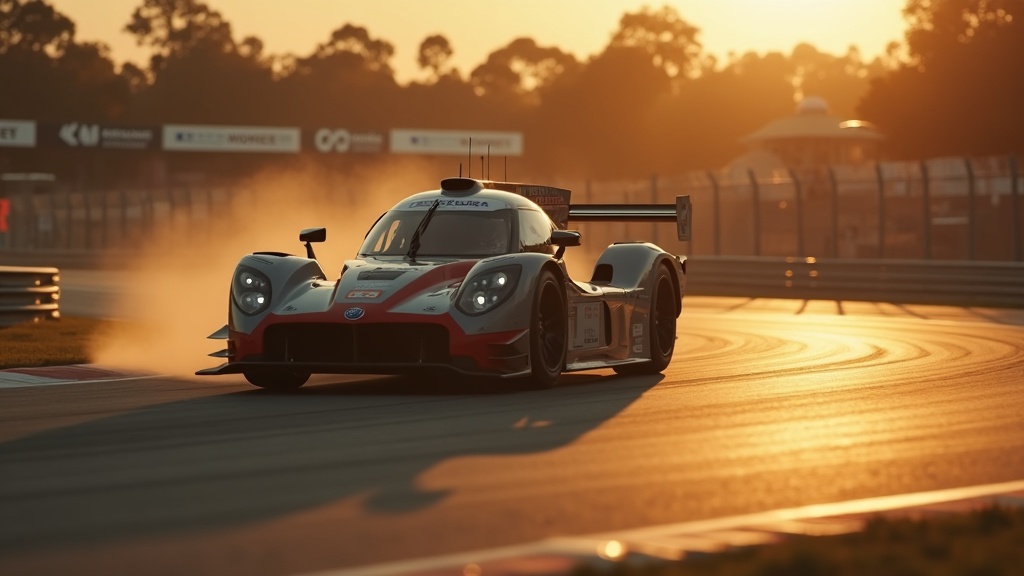
SvG and the Kiwi factor at the midpoint of Supercars 2026
Shane van Gisbergen heads into the second half of the 2026 Supercars season with points to make up. Here is where the New Zealand contingent stands.
The NZ Angle
Van Gisbergen has always occupied a particular place in New Zealand motorsport that is a bit hard to categorise. He is not quite a rally driver, not quite a circuit racer in the traditional Kiwi mould, but something that sits across both worlds. His move to the Triple Eight Chevrolet Camaro in the Supercars Cup series gave him a platform that suited his instincts, and Kiwi fans have followed his results closely ever since. The 2026 season has been uneven by his own standards. Strong qualifying pace has not always converted, and the sense from people close to the programme is that setup consistency between circuits has been the sticking point rather than anything fundamental with the car. Liam Lawson's trajectory through single-seaters has drawn attention away from the Supercars story domestically, but for anyone who grew up watching the Bathurst 1000 on a Sunday afternoon, SvG's championship position still matters. There is no direct pathway for New Zealand fans to attend Australian rounds without some planning, but Pukekohe's history as a Supercars venue means the series carries genuine cultural weight here, even without a home round on the current calendar.
Supercars mid-season: where Kiwi drivers stand after the latest round
The most recent Supercars round has reshuffled the championship order. Here is what the results mean for Shane van Gisbergen and other New Zealand drivers heading into the second half of 2026.
The NZ Angle
New Zealand has a longer history in Supercars than the series sometimes gets credit for. Van Gisbergen's three championships between 2016 and 2022 were not flukes of circumstance. They came from a driver who reads tyre degradation and brake bias adjustments mid-corner with unusual precision, and from a team at Triple Eight that understood how to build a car around those instincts. His move to NASCAR in 2023 opened a gap in Kiwi representation at the front of the Supercars grid that has not been fully filled. The question now, in 2026, is whether any New Zealand driver has positioned themselves to challenge for the title in the second half of the season, or whether the Kiwi footprint in Australia's premier tin-top series is shifting from 'championship contender' to 'solid mid-grid presence'. For fans following from Christchurch or Wellington, the series streams through Foxtel and Kayo, and the connection to local motorsport is real. Several Supercars regulars have come through the Toyota Racing Series at Hampton Downs and Taupo, so the pipeline matters even when no Kiwi is leading the points.
Lawson at Red Bull: what the 2026 standings actually say
Liam Lawson is six months into his Red Bull Racing seat. The numbers are in, the pressure is real, and the question of whether he belongs there has a clearer answer now.
The NZ Angle
New Zealand has produced a handful of genuine Formula 1 contenders over the decades, but none have arrived at a works seat for one of the sport's dominant constructors the way Lawson has. Scott Dixon built his name in IndyCar. Brendon Hartley got his shot late and briefly. Lawson is 22, at Red Bull Racing, in a season where the technical regulations have reshuffled the grid in ways nobody fully predicted coming into the year. For Kiwi fans, the time zones remain brutal. Races that run through European summer evenings land somewhere between midnight and 4am in New Zealand, which means the hardcore are still setting alarms and the casual followers are catching highlights before work. Sky Sport NZ carries the live coverage, and the domestic interest in Lawson has pushed F1 viewership numbers here to levels the sport hasn't seen locally since the early Schumacher years. There is no direct commercial line between Lawson's results and what you pay for a car in Christchurch. But the interest he generates keeps Formula 1 front of mind in a market that increasingly looks at motorsport when deciding which brands feel alive. That matters more than it sounds.
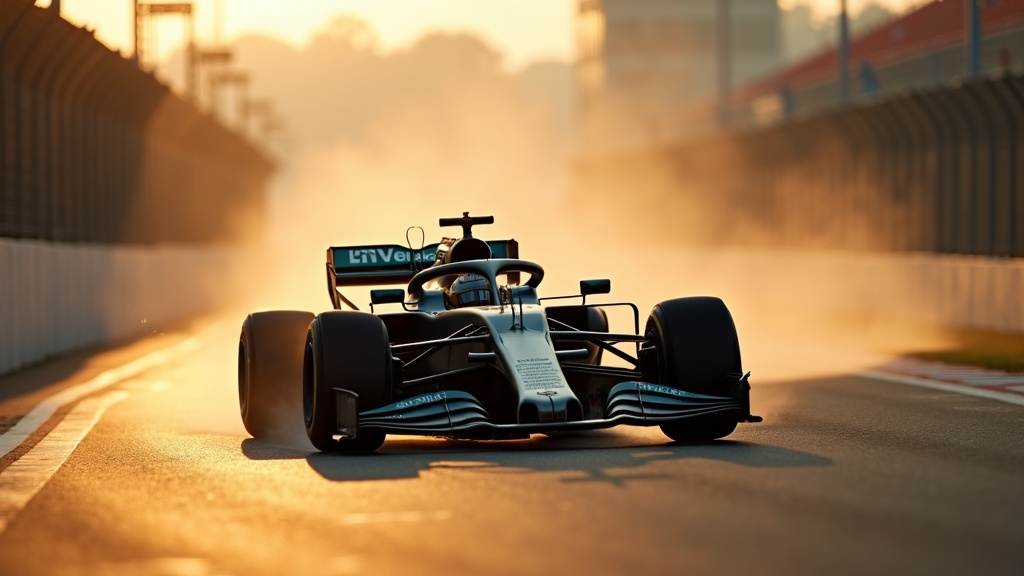
Lawson at mid-season: is the Racing Bulls seat delivering?
After the Austrian Grand Prix, Liam Lawson's 2026 campaign sits at a crossroads. We assess the numbers, the car, and whether the step up to a full-time seat is going to plan.
The NZ Angle
When Liam Lawson finally secured a full-time F1 drive for 2026, the reaction in New Zealand was measured optimism rather than celebration. Anyone who had followed his career through the Hitech GP years, the DTM cameos, and those sharp substitute appearances at AlphaTauri and Racing Bulls knew the talent was there. The question was always whether the machinery would give him a fair surface to work on. Scott McLaughlin took years to find his right series in IndyCar before the results reflected his ability. Lawson's situation is structurally similar: a car that is neither backmarker nor genuine contender, a teammate relationship that carries its own political weight, and a points structure that punishes midfield inconsistency more than it rewards midfield excellence. For Kiwi fans tracking the season through early-morning Sky Sport replays, the Austrian weekend offered something useful: enough data to start separating what is Lawson's problem from what belongs to the package. The RB team has historically operated in the shadow of the Red Bull senior programme, which affects development priority and sometimes driver psychology. Understanding that context is how you read the timing sheets honestly, rather than through either frustration or blind loyalty.
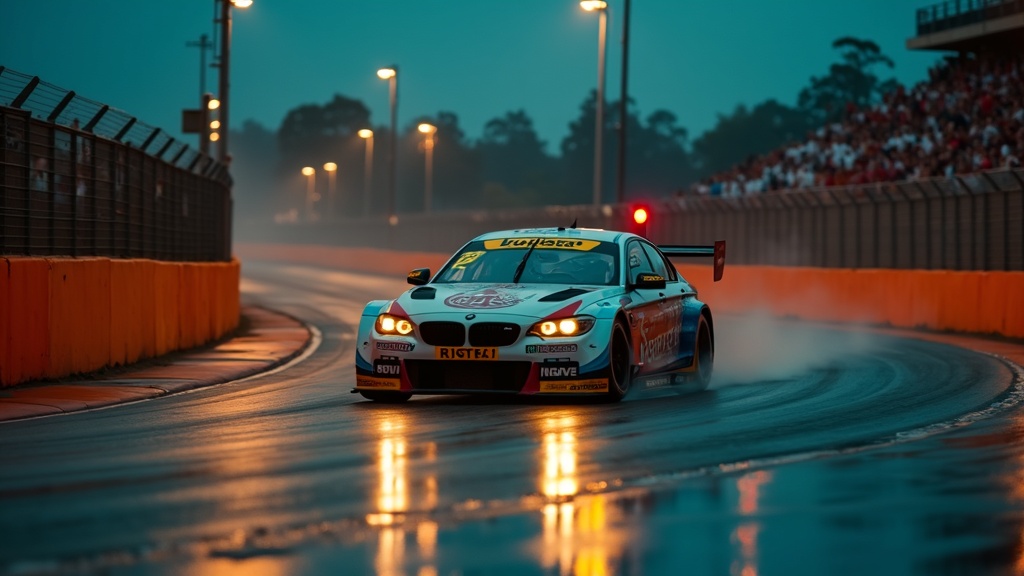
Van Gisbergen leads the way as Stanaway fights for points
Shane van Gisbergen sits near the top of the 2026 Supercars standings after the latest round, while Richie Stanaway continues to find his feet back in the series.
The NZ Angle
For a country that produces drivers well out of proportion to its size, New Zealand has a reasonable stake in the 2026 Supercars Championship. Van Gisbergen needs no introduction in this context. He spent years as the benchmark in the series before his NASCAR detour, and his return to Supercars has been watched closely by anyone who follows the sport on this side of the Tasman. Whether he can convert pace into a title fight over a full season is the question the paddock has been sitting with since February. Stanaway is the more complicated story. His earlier career was interrupted by circumstances that had nothing to do with his speed, and there were legitimate questions about whether a competitive seat would materialise at all. It has, and he is using it. Neither driver will race on home soil in any formal Supercars capacity this season, Pukekohe having exited the calendar some years back, but both are followed closely enough here that their results matter to the local audience. For anyone in New Zealand watching the series through a stream on a Sunday morning, these two give the championship a genuine point of interest beyond the general entertainment of door-to-door racing on Australian street circuits.