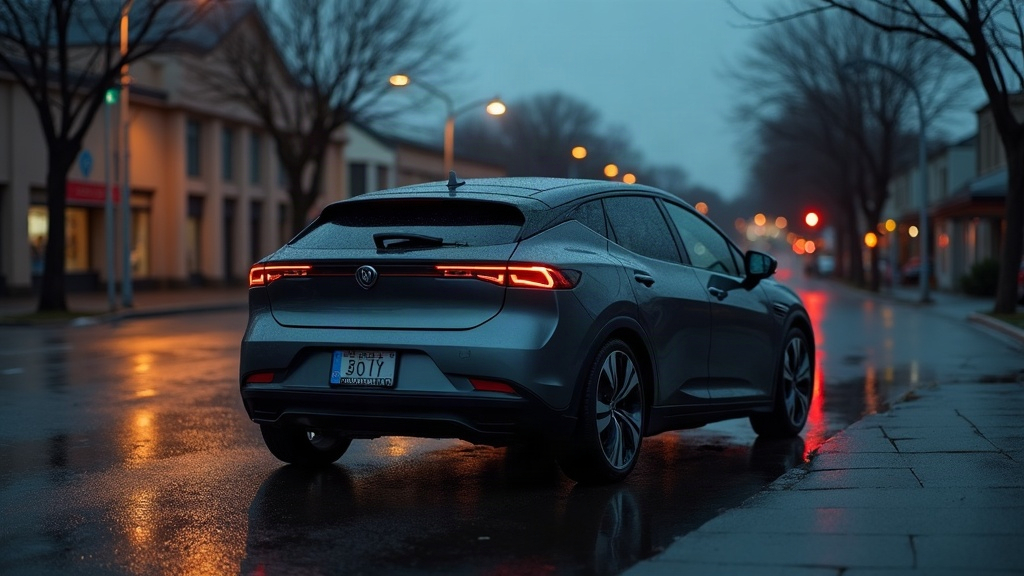
EV running costs in 2026: do the numbers finally add up?
The NZ Angle
Road user charges for light electric vehicles came into force in April 2024, ending the free-road exemption that had made EVs an easier financial sell. The current RUC rate sits at $76 per 1,000 kilometres for light EVs, placing them on a similar footing to diesel vehicles in terms of road contributions. For Canterbury buyers weighing up a used Nissan Leaf or a new BYD Atto 3, that changes the calculation. Petrol is sitting somewhere between $2.50 and $3.00 a litre across Christchurch forecourts right now, which gives the comparison some real bite. Domestic electricity rates matter too: most Canterbury households are paying somewhere around 30-35 cents per kWh depending on their retailer and plan. Factor in the WoF cycle (annual inspections after the first three years), the fact that the Clean Car Discount is gone, and that the second-hand Leaf market has softened considerably since its 2022 peak, and you have enough moving parts to make a mess of a simple cost comparison. This piece tries to straighten that out.
RUC charges on light EVs have now been in place for over a year. We crunch the real per-kilometre costs for the Nissan Leaf and BYD Atto 3 against comparable petrol cars to find out what Canterbury drivers actually save.
The Clean Car Discount is dead, the free-road exemption is gone, and used Leaf prices have come down from the heights they hit when everyone was scrambling for cheap EV running costs. So where does that leave a Canterbury buyer in 2026 trying to work out whether an EV actually saves money?
The short answer is: yes, but the margin is tighter than the EV enthusiasts will tell you, and it depends heavily on how far you drive.
What the numbers actually look like
Take the Nissan Leaf first. A decent 40kWh ZE1 Leaf, the generation that was flooding the market through 2022 and 2023, is sitting at around $18,000 to $22,000 in the current Canterbury used market. Running cost: roughly 30 to 35 cents per kWh at home, and the 40kWh Leaf returns somewhere around 6.5 to 7.5km per kWh in real driving, not the optimistic figures you see quoted. Call it 7km/kWh as a working average. That puts your electricity cost at around 4.5 cents per kilometre. Add RUC at $76 per 1,000km, which works out to 7.6 cents per kilometre, and your combined running cost lands at roughly 12 cents per kilometre.
Now put a Toyota Corolla Hybrid alongside it. A similar-vintage 2021 or 2022 Corolla hybrid costs around $24,000 to $28,000 used. Fuel consumption in mixed Canterbury driving, including the winter school run and weekend Port Hills work, sits at around 5 to 5.5 litres per 100km. At $2.75 a litre, that's roughly 14 to 15 cents per kilometre just in petrol. No RUC. WoF costs are comparable.
So the Leaf costs around 12 cents per kilometre all in, versus 14 to 15 cents for the Corolla hybrid. The gap is real, but it's not transformative. Over 15,000km a year, that's a saving of roughly $300 to $450. Against a purchase price that's currently $4,000 to $6,000 cheaper for the Leaf, you're recouping that initial saving in fuel costs over two to three years, not the twelve months some buyers were assuming.
Where the BYD Atto 3 sits
The BYD Atto 3 is a different proposition. New pricing starts at around $49,990 for the Extended Range variant. It's a substantially larger car than a Leaf, closer to a Mazda CX-5 in footprint, so a fairer comparison is a petrol CX-5 or a Subaru Forester rather than a Corolla.
The Atto 3 Extended Range carries a 60.5kWh usable battery and returns around 5.5 to 6.5km per kWh in real conditions, though Canterbury winters with heating running will push you toward the lower end of that. Working on 6km/kWh and 32 cents per kWh at home, electricity cost is about 5.3 cents per kilometre. Add the same $76/1,000km RUC and you're at roughly 13 cents per kilometre.
A 2024 Mazda CX-5 petrol AWD new is around $46,000 to $50,000 depending on spec. Fuel consumption in real driving sits at 8 to 9 litres per 100km. At $2.75 a litre, that's 22 to 25 cents per kilometre in fuel alone. The running cost gap here is significant: 13 cents versus 22 to 25 cents per kilometre. Over 15,000km annually, that's a difference of $1,350 to $1,800 per year.
At that rate, the extra cost of the Atto 3 over the CX-5 petrol starts looking justified somewhere between years three and five, depending on the exact purchase prices and how electricity costs move. The calculation is meaningfully better than the Leaf versus Corolla comparison, which says something useful about where EVs make the most economic sense: the bigger and thirstier the petrol alternative, the stronger the EV case becomes.
What the RUC actually changed
Before April 2024, the absence of road user charges was doing a lot of heavy lifting in EV economics. That subsidy is gone now, and the $76 per 1,000km rate adds a real and unavoidable cost that buyers need to account for from day one. You buy RUC in blocks directly through NZTA, and the system works the same as diesel vehicles: you're required to have sufficient RUC purchased for your odometer reading at all times.
For a Leaf owner doing 12,000km per year, that's $912 annually in RUC alone. It changes the mental model from 'EVs are almost free to run' to 'EVs are cheaper to run, but you have to do the maths properly.'
The other variable that people underestimate is public charging. If you're regularly relying on a fast charger rather than home overnight charging, the per-kilometre cost jumps significantly. Public fast charging in Canterbury typically runs at $0.55 to $0.70 per kWh, which more than doubles your energy cost per kilometre. The EV economics work when home charging is the norm, not the exception.
For buyers who own their home, have a garage, and drive predictable distances, the sums stack up. For renters or those without off-street parking, the numbers get much harder to make work.
By Auto Luxe. See our editorial standards or email sales@autoluxe.co.nz with corrections.
More automotive
EV running costs in Canterbury: what owners are actually paying now
The RUC exemption for light EVs is gone. We break down what Leaf, Ioniq 5 and MG4 owners in Canterbury are paying per month and whether the price drop on used EVs has kept pace.
EV running costs vs petrol imports: has the gap closed in 2026?
RUC charges for light EVs have been in place for over a year. We run the numbers on a used Leaf and BYD Atto 3 against comparable petrol imports to see what Canterbury drivers actually save.
What Canterbury EV owners are actually paying in RUCs now
Light EV road user charges have been back for a year. We break down the real per-kilometre cost for Leaf and Aqua PHEV owners against petrol equivalents.