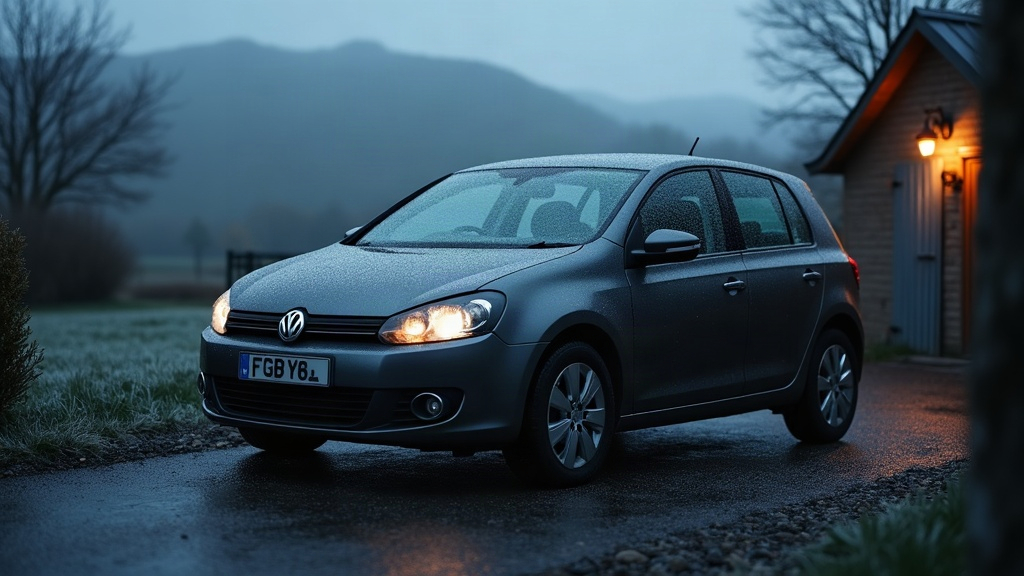
What a used EV actually costs to run in Canterbury now
The NZ Angle
Light electric vehicles lost their RUC exemption at the end of March 2024, and by 2026 those charges are fully baked into what every EV driver pays. The current RUC rate for light EVs sits at $76 per 1,000 km, against $53 per 1,000 km for a light petrol vehicle, which means the EV surcharge that once seemed theoretical is now a genuine line item. In Canterbury, where commutes stretch across the plains and winter temperatures can soften battery range by 15 to 20 percent, that matters more than it does for a Wellington city driver doing short hops. Add in the Clean Car Discount disappearing at the end of 2023, and the subsidy scaffolding that made second-hand EVs look like a no-brainer has largely gone. WoF intervals settle at annual for any car over three years old, so that cost is the same across the comparison. Insurance on a used Leaf tends to run higher than a petrol Note or Aqua of similar age, partly because parts sourcing and specialist labour still carry a premium in the South Island. None of this means EVs are suddenly a bad buy. It means the honest case for them is different from what it was two years ago.
The RUC exemption is gone and per-km charges are real. We crunch Leaf and Aqua ownership costs against a comparable petrol import to see if the numbers still work.
The pitch used to write itself. Buy a second-hand Nissan Leaf, skip the petrol station, pocket the RUC exemption, and feel quietly smug at every set of traffic lights. That was a reasonable position in 2022. It is a harder case to make in 2026, and anyone shopping for a used EV in Christchurch deserves a straight look at what the numbers actually say.
Let's use two real-world comparisons: a 2018 Nissan Leaf 40kWh (typically $18,000-$22,000 at a reputable dealer) against a 2018 Toyota Aqua hybrid (typically $14,000-$17,000). Similar age, similar practicality, both Japanese imports, both common on Canterbury roads. The Aqua is not a pure EV, but it is the car most Leaf buyers are choosing between, so it earns its place in the comparison.
What you're paying per kilometre
The Leaf owner in 2026 is paying $76 per 1,000 km in RUC. Drive 15,000 km a year, which is roughly average for a Canterbury commuter, and that's $1,140 in road user charges annually. The Aqua owner pays at the petrol pump instead. At current prices around $2.60 per litre, and with the Aqua returning roughly 4.5 litres per 100 km in mixed Canterbury driving, that works out to about $1,755 per year in fuel. On running costs alone, the Leaf is still ahead, but the gap has closed considerably from the zero-RUC days.
Charging the Leaf at home on a standard overnight rate of around 28-32 cents per kWh costs roughly $520-$600 per year for 15,000 km, assuming the 40kWh battery is delivering about 200 km of real-world range in decent weather. In winter, factor in that figure dropping closer to 160-170 km per charge in hard frost conditions, which means more frequent charging cycles and slightly higher annual electricity spend. Call it $650 on the conservative side for a full Canterbury winter.
Fuel plus RUC equivalent for the Leaf: roughly $1,790 per year. Fuel for the Aqua: $1,755. They are, for most practical purposes, level on running costs once RUC is in the picture.
Where the real cost difference shows up
Insurance is where the Leaf starts bleeding. A 2018 Leaf insured for agreed value around $19,000 will typically cost $900-$1,200 annually with a standard insurer in the South Island, depending on your history and where you park. A 2018 Aqua at $15,500 agreed value comes in closer to $700-$900. The battery replacement question hangs over every Leaf quote, and insurers price that uncertainty into the premium whether they say so or not.
Servicing costs the Leaf less in one sense: no oil changes, no timing belt, fewer moving parts. A Leaf service interval is typically every 12 months or 10,000 km, with costs around $150-$250 depending on the workshop. The Aqua needs similar annual attention at comparable cost. Neither car is expensive to service in normal operation.
Here is what I think is the real objection to the used Leaf in 2026: battery degradation is not hypothetical on a 2018 car. A 40kWh Leaf from that year, well-maintained, might be showing 85-90 percent capacity. That is still usable. But a car that advertises 270 km of range and delivers 210 in summer and 165 in a Canterbury July needs to be understood for what it is before you sign anything. Ask for a battery health report. Any reputable dealer will provide one.
Does the Leaf still make sense?
For a buyer doing 12,000-18,000 km per year, with home charging, and a commute that doesn't regularly test the edges of range, the used Leaf is still a rational choice. The purchase price premium over an equivalent Aqua is smaller now than it was, which helps. The running cost advantage is thinner than it was, which is just honest.
Frankly, the Leaf's strongest case in 2026 is not economics. It is the driving experience, which remains genuinely better than a Aqua in daily use: quieter, smoother, stronger off the mark, and with none of the CVT drone that makes long Aqua trips mildly tedious. If you value that, you will not regret the Leaf. If you are buying purely on a spreadsheet, the Aqua has pulled even in a way that would have seemed unlikely three years ago.
The numbers no longer tell a simple story in the Leaf's favour. They tell a more complicated one, which is probably the more honest version of the truth anyway.
By Auto Luxe. See our editorial standards or email sales@autoluxe.co.nz with corrections.
More automotive

What Canterbury EV ownership actually costs per kilometre in 2026
RUC charges are locked in, power prices keep climbing. Here's what the numbers genuinely look like for Canterbury EV owners compared to a petrol import doing the same kilometres.
What Canterbury EV owners are actually paying per km in 2026
The RUC exemption for light EVs is gone. We run the real numbers on what it costs to drive a Leaf or Model 3 in Canterbury versus a petrol Prius or diesel X-Trail.
Do the running costs still add up for used EVs in Canterbury?
RUC charges are locked in, power prices keep climbing. We crunch the real per-kilometre costs for the Leaf, MG ZS EV and BYD Atto 3 against a petrol alternative.