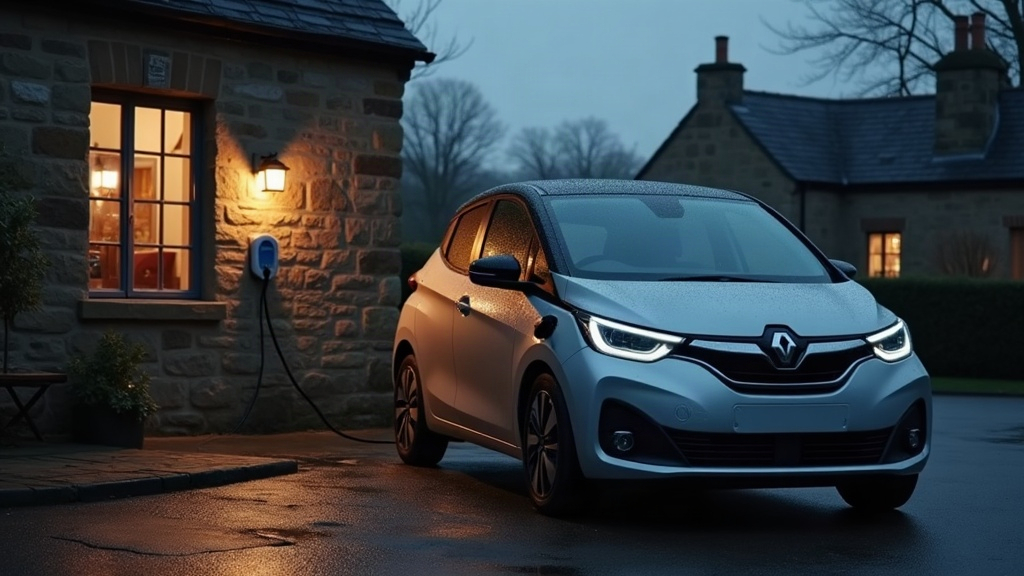
EV running costs in 2025: Leaf, Outlander PHEV, or a petrol import?
The NZ Angle
Light EVs in New Zealand currently pay $76 per 1,000 kilometres in road user charges, a rate that has held since the 2024 adjustment and is scheduled for formal review in early 2027. That review matters because the direction of travel is almost certainly upward, as NZTA works to close the funding gap left by EVs not paying fuel excise. For Canterbury buyers, the RUC clock is already running the moment you buy a used Leaf or Outlander PHEV, and the break-even calculation against a petrol Corolla or RAV4 import is tighter than most EV advocates will admit. Home charging rates through Meridian or Contact sit roughly around 30 cents per kWh on a standard plan, dropping meaningfully on a dedicated EV night rate, which changes the maths considerably if you can actually charge overnight. PHEVs like the Outlander carry a lower RUC rate than full EVs when running in EV mode, but they also drink petrol when the battery depletes, and with Canterbury trips to Akaroa or the ski fields that range anxiety is real rather than theoretical. WoF intervals standardise at annual after three years regardless of drivetrain, so that particular cost is a wash across the comparison.
With EV road user charges holding steady but a 2027 review looming, Canterbury buyers have a narrow window to accurately compare the real per-kilometre cost of used EVs and PHEVs against petrol alternatives.
The Nissan Leaf has been the default used EV recommendation in New Zealand for years. It is affordable, right-hand drive, compliant without drama, and the 40kWh version that dominates the import market has enough real-world range to handle most Christchurch daily driving without anxiety. The Mitsubishi Outlander PHEV sits at the other end of the calculation: more car, more capability, and a drivetrain that hedges its bets by keeping a petrol engine in reserve. Both look appealing on a used-car yard. The question is whether either actually saves you money once you account for everything, and right now in 2025, that question has a more precise answer than it did two years ago.
The Clean Car Discount is gone. The government wound it up at the end of 2023, which means the subsidy that once softened the purchase price of EVs and PHEVs no longer factors in. What remains is a running cost calculation, and that is where the detail matters.
What you actually pay per kilometre
Light EVs pay $76 per 1,000 kilometres in road user charges. On a Leaf doing 15,000 kilometres a year, that is $1,140 annually before you add a cent of electricity. Add home charging at a standard rate of around 30 cents per kWh, and a 40kWh Leaf averaging roughly 16 kWh per 100 km, and you are spending approximately $720 in electricity for those 15,000 kilometres. Total energy and road cost: roughly $1,860 per year.
A comparable petrol import, say a 2018 Toyota Corolla hatch, running on 91 at current Canterbury pump prices of around $2.60 per litre and averaging 7 litres per 100 km, costs about $2,730 in fuel alone over the same distance. No RUC on top. That gap, around $870 in favour of the Leaf, is real but it is not enormous, and it shrinks if petrol prices fall or if you are not able to charge at home overnight.
If you can get onto a dedicated EV night rate, around 17-20 cents per kWh depending on your retailer and plan, the electricity bill drops to roughly $400, and the annual saving over the Corolla pushes past $1,300. That is where the Leaf genuinely wins. The catch is that a lot of buyers in rental properties or older homes simply cannot install a home charger, and public charging at Christchurch's network of ChargeNet stations costs considerably more per kWh, enough to largely wipe the running cost advantage.
The Outlander PHEV complicates things further. It attracts a lower RUC rate than a full EV, currently sitting below the light EV rate because of its blended usage classification, but it also carries a heavier kerb weight, a more complex drivetrain, and a habit of defaulting to the petrol engine the moment you exceed the 50-odd kilometres of pure EV range. For urban Christchurch driving it can be genuinely efficient. For a run to Mount Hutt and back, you will be burning 91 like any other SUV. A used Outlander PHEV in reasonable condition is also priced noticeably above a comparable Leaf, which means the purchase price difference needs to be factored into any honest per-kilometre calculation.
The 2027 review changes the outlook
The scheduled RUC review in early 2027 is not a certainty of change, but the direction is predictable. As EV uptake increases and the fuel excise base erodes, NZTA needs road user charges to do more of the funding heavy lifting. A meaningful increase to the light EV RUC rate would compress the running cost advantage of a Leaf or similar, potentially quite sharply if it rises to $120 or above per 1,000 kilometres, which is within the range of plausible outcomes being discussed.
Buyers who do the maths now, lock in a purchase, and have two years of favourable rates before the review, are in the best position. That is not a reason to rush a bad decision, but it is a genuine factor in the timing.
What the numbers actually tell you
For a Canterbury buyer who owns their home, has a garage, and can charge overnight on a night-rate plan, the Leaf at current used prices delivers a real and meaningful cost advantage over a petrol import. The break-even on the purchase premium over a Corolla is achievable within three to four years at typical mileage, and the annual saving is tangible rather than theoretical.
For a buyer without reliable home charging, the case weakens considerably. Public charging costs cut into the advantage, and the RUC is a fixed cost regardless of where or how you charge.
The Outlander PHEV sits in a narrower window of genuine value. It makes sense for buyers who regularly need the range and load capacity of a proper SUV but do most of their daily driving in town. It does not make sense as a Leaf substitute for someone mainly doing Christchurch urban kilometres.
None of this is a reason to avoid EVs. It is a reason to do the actual maths for your actual situation before someone else's enthusiasm does it for you.
By Auto Luxe. See our editorial standards or email sales@autoluxe.co.nz with corrections.
More automotive
What it actually costs to run an EV in Canterbury right now
RUCs are here, power prices haven't dropped, and the maths on a Nissan Leaf or BYD Atto 3 versus a hybrid or petrol car is closer than the EV lobby would like.

What a used EV actually costs to run in Canterbury now
The RUC exemption is gone and per-km charges are real. We crunch Leaf and Aqua ownership costs against a comparable petrol import to see if the numbers still work.
What Canterbury EV ownership actually costs per kilometre in 2026
RUC charges are locked in, power prices keep climbing. Here's what the numbers genuinely look like for Canterbury EV owners compared to a petrol import doing the same kilometres.