
EV road user charges are now real money: what Leaf and Atto 3 owners actually pay
The NZ Angle
New Zealand's road user charge exemption for light electric vehicles ran out at the end of March 2024. From 1 April 2024, EVs under 3.5 tonnes joined every other RUC-liable vehicle on the full rate, currently set at $76 per 1,000 kilometres for light vehicles. For Canterbury drivers who leaned on the exemption as a core part of their EV ownership case, that's a meaningful shift. The South Island's longer inter-regional runs, Christchurch's sprawling suburban layout, and the regular Arthur's Pass or Lewis Pass trip mean annual kilometres stack up faster here than in central Auckland. A Leaf owner doing 15,000km a year now pays $1,140 in RUCs annually. An Atto 3 owner doing the same distance: identical. Neither car's electricity cost disappears, it's just no longer offset by a zero RUC line. For anyone buying a used EV right now, the compliance-stage sticker and the purchase price are only part of the picture. RUCs are the ongoing cost that the exemption era made easy to ignore, and the secondhand EV market hasn't fully repriced to reflect it yet.
The RUC exemption for light EVs ended in 2024. Here's what the full rate means per kilometre for Nissan Leaf and BYD Atto 3 owners, and what used EV buyers need to budget before they sign.
The RUC exemption made the numbers look better than they were. Now it's gone, and buyers picking up a used Nissan Leaf or BYD Atto 3 in the $20,000–$45,000 range need to run the actual figures before they commit.
The current RUC rate for light EVs is $76 per 1,000km. That's the same rate applied to diesel cars and most light RUC-liable vehicles. If you're driving 15,000km a year, that's $1,140. At 20,000km, you're at $1,520. These are not catastrophic numbers, but they're not zero either, and for three or four years the EV pitch in New Zealand leaned heavily on the fact that they were zero.
What this means for a Leaf buyer at $18,000–$25,000
The Nissan Leaf is still the most common used EV on the New Zealand market. A 2018–2020 40kWh Leaf in reasonable condition sits around $18,000–$25,000 depending on kilometres and whether it's been through a private sale or a dealer. The 62kWh e-Plus version commands more, typically $28,000–$35,000, but there are far fewer of them around.
The 40kWh Leaf will return roughly 6.5–7.5kWh per 100km in mixed Canterbury driving. Charge at home on a standard overnight rate around 28–32 cents per kWh and you're spending $1.82–$2.40 per 100km on electricity. That's genuinely cheap. Add the new RUC at 7.6 cents per km and your combined running cost per 100km lands around $9.42–$10.00. Still cheaper than a comparable petrol car at current fuel prices, but the gap is narrower than the exemption era implied.
Battery health is the other variable that shapes the real cost. A 2018 Leaf with 90,000km on it has likely lost some capacity, particularly if it spent years in a warmer climate before being shipped here. Nissan's battery health bars on the dashboard are a rough guide at best. A 12-bar reading is full capacity; 11 bars means you've lost around 15%, which on a 40kWh pack translates to a real-world range of roughly 180–200km on a good day. In Canterbury winter, subtract another 15–20%. That's not a dealbreaker for most commuters, but it shapes how you use the car.
BYD Atto 3: newer, larger, pricier to run
The BYD Atto 3 is a different proposition. New pricing sits around $49,990 for the Extended Range (60.5kWh), but the used market is starting to see 2022–2023 examples appear in the $38,000–$44,000 range as early adopters move on or upgrade. The Atto 3 is heavier than the Leaf and uses more energy: expect 16–18kWh per 100km in real Canterbury use, more if you're doing regular motorway runs or loaded up for a ski trip.
At 17kWh/100km and 30 cents per kWh, electricity costs you around $5.10 per 100km. Add $7.60 in RUCs per 100km and you're at $12.70. That's competitive with a frugal diesel SUV, but it's not the dramatic saving the EV marketing suggested. The Atto 3's parts and service network in New Zealand is still thin. BYD has authorised dealers in the main centres, but the car is young enough that the independent mechanic network hasn't caught up. That matters at 80,000–100,000km when non-warranty work starts appearing.
Tyres are a known running cost on the Atto 3. At 1,750kg, it's hard on rubber, and the 235/50 R18 fitment isn't a cheap size to replace. Budget $900–$1,100 for a set of decent all-season tyres.
How to think about the total cost before you sign
The useful comparison isn't EV versus petrol on fuel costs alone. It's total annual cost of ownership across fuel or electricity, RUCs, insurance, servicing, tyres, and expected repair frequency.
For a 2019 Leaf at $22,000 doing 14,000km a year: roughly $1,064 in RUCs, around $560 in electricity, $900–$1,200 in insurance depending on your history, and servicing that's genuinely cheap because there's no oil, no timing chain, and minimal brake wear. Annual service costs for a well-maintained Leaf are often under $300. Total annual running cost in that scenario: somewhere around $3,000–$3,600, excluding any battery or ancillary repairs.
For a 2023 Atto 3 at $42,000 doing the same kilometres: $1,064 in RUCs, around $1,140 in electricity, $1,400–$1,800 in insurance (newer, higher-value vehicle), and servicing that's still relatively low but less predictable given the car's age and parts availability. Annual running cost: closer to $4,200–$5,200.
Neither of those figures is outrageous. But neither matches the exemption-era EV pitch of near-zero running costs. The RUC is now a fixed line in the budget, the same as it is for any diesel owner, and anyone who bought an EV assuming the exemption would persist indefinitely is adjusting to that now.
Used EV prices in New Zealand haven't dropped sharply in response to the RUC change. The market is still finding its level. That means buyers have some negotiating room, particularly on older Leafs where battery health is uncertain and the RUC now applies on top of a car that might need a battery assessment or replacement down the track. Ask for a battery health report, not just a bar count. And run the annual RUC cost as a real line item, not a footnote.
By Auto Luxe. See our editorial standards or email sales@autoluxe.co.nz with corrections.
More automotive
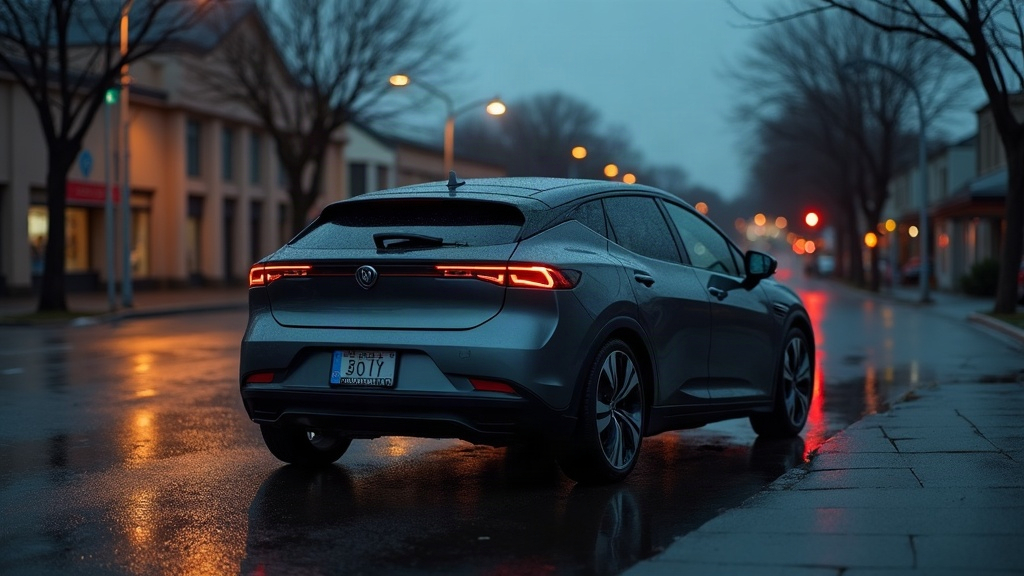
EV running costs in 2026: do the numbers finally add up?
RUC charges on light EVs have now been in place for over a year. We crunch the real per-kilometre costs for the Nissan Leaf and BYD Atto 3 against comparable petrol cars to find out what Canterbury drivers actually save.
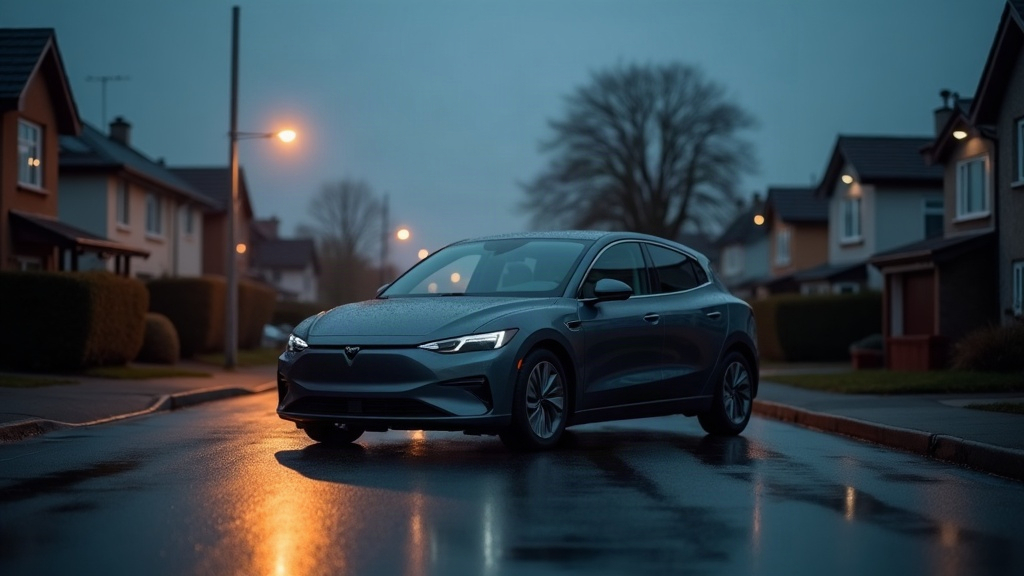
EV running costs in Canterbury: what owners are actually paying now
The RUC exemption for light EVs is gone. We break down what Leaf, Ioniq 5 and MG4 owners in Canterbury are paying per month and whether the price drop on used EVs has kept pace.
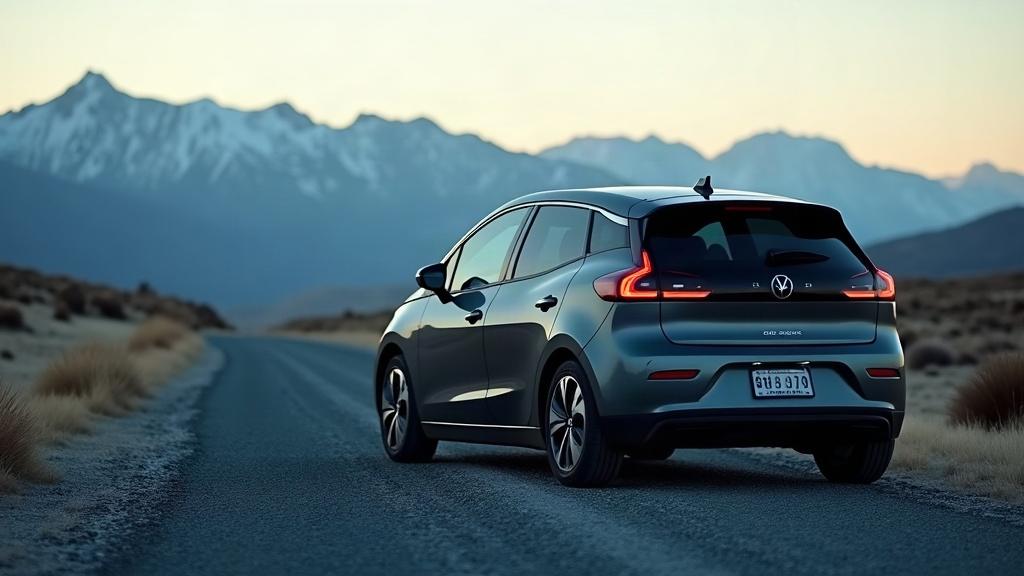
EV running costs vs petrol imports: has the gap closed in 2026?
RUC charges for light EVs have been in place for over a year. We run the numbers on a used Leaf and BYD Atto 3 against comparable petrol imports to see what Canterbury drivers actually save.