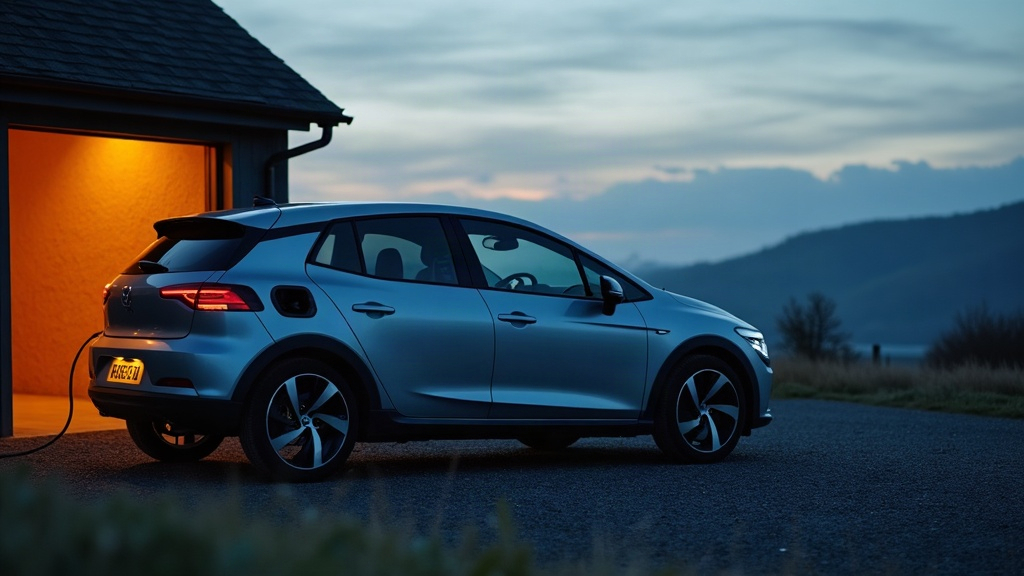
What EVs actually cost per kilometre in NZ right now
The NZ Angle
Light electric vehicles lost their RUC exemption in April 2024, and the rate has since settled at $76 per 1,000km for vehicles under 3,500kg. That's not trivial. On a Nissan Leaf averaging 15,000km a year, you're looking at $1,140 in RUCs before you've spent a cent on power. Add electricity at current Orion network residential rates around 35-40 cents per kWh in Canterbury, and the maths starts looking a lot less clean than the EV sales pitch suggested circa 2021. The one genuine saving grace heading into winter is that many Canterbury households on Meridian, Contact, or Genesis plans have access to overnight off-peak rates as low as 17-22 cents per kWh, typically running midnight to 7am. Scheduled charging during those windows cuts your effective fuel cost considerably, but it requires either a smart charger with timer functionality or disciplined manual scheduling. Come spring, spot pricing tends to firm up and those off-peak windows narrow or disappear on some plans. For buyers currently weighing up a used EV purchase in the $15,000-$35,000 range, the window to lock in winter charging habits and genuinely beat petrol on running costs is right now, not in six months.
RUC charges are locked in, power prices keep climbing, and the winter off-peak window is narrowing. Here's what a Leaf, Atto 3, and MG ZS EV genuinely cost to run versus petrol alternatives.
The EV value case used to write itself. No petrol, no RUCs, low servicing, government rebate. That version of events is gone. RUCs are back, power prices have moved up steadily, and the Clean Car Discount ended in 2023. What's left is a real cost comparison, and it's worth doing properly.
The three EVs that dominate the used market in Canterbury right now are the Nissan Leaf, the BYD Atto 3, and the MG ZS EV. Each sits in a different price bracket, attracts a different buyer, and carries different running costs. Here's how they actually stack up.
Nissan Leaf: the benchmark that needs rechecking
A 2018-2020 Leaf with the 40kWh battery is the entry point for most first-time EV buyers, typically $15,000-$22,000 on the current market depending on battery health and specification. The 62kWh e-Plus version commands a premium but the range advantage is real: around 280km of realistic range versus 200-220km from the 40kWh pack in mixed driving.
At 40kWh and an average real-world consumption of 16-18kWh per 100km, you're using roughly 7kWh to cover 40km of mixed urban and regional driving. On a standard residential rate of 38 cents per kWh, that's $2.66 per 40km, or about 6.6 cents per kilometre. RUCs add $7.60 per 100km. Combined, you're sitting at roughly 14 cents per kilometre in running fuel costs.
A comparable petrol hatch, say a 2019 Toyota Corolla running 6.5L/100km at current petrol prices around $2.65 per litre, costs about 17.2 cents per kilometre in fuel alone. No RUCs to add. The Leaf wins, but the gap is thinner than it was two years ago.
The Leaf's known issue at high mileage is battery degradation. A 2018 40kWh Leaf with 80,000km on it may show 10-15% capacity loss on the battery health display. That's real range reduction, not just a paper figure. Check the bar graph on the dash before you buy. Twelve bars is full health; anything under ten should prompt negotiation or avoidance.
BYD Atto 3: newer money, better running costs
The Atto 3 sits in the $30,000-$38,000 range used, which puts it alongside a tidy 2021 CX-5 or a well-specced Subaru Forester. The 60.5kWh battery and a real-world consumption closer to 15kWh/100km give you a genuine 380-400km range in Canterbury conditions.
At 15kWh/100km and 38 cents per kWh, electricity costs come to 5.7 cents per kilometre. Add RUCs at 7.6 cents and you're at 13.3 cents per kilometre. Over 15,000km per year, that's roughly $2,000 in combined charging and RUC costs, against around $2,580 in fuel for a comparable petrol SUV doing 6.5L/100km.
The Atto 3 is a recent enough model that major mechanical attrition hasn't shown up in the market yet. What buyers do flag is software quirkiness and a rotating dial HVAC interface that takes getting used to. Parts availability is improving through local BYD channels but you're not walking into Repco for a filter. Factor that into your thinking if you're outside Christchurch city.
MG ZS EV: the budget electric that still makes sense
The first-generation MG ZS EV (2019-2021) with the 44.5kWh battery is the cheapest EV with a proper warranty history you'll find, sitting around $18,000-$24,000. Consumption runs around 17kWh/100km, which at current power prices puts electricity cost at about 6.5 cents per kilometre. With RUCs, you're at roughly 14 cents per kilometre.
The ZS EV's honest limitation is range: 250-270km realistic in summer, noticeably less in a Canterbury winter where heating demand bites. If your use case is Christchurch city plus occasional Selwyn or Waimakariri runs, it works fine. If you're regularly heading to Hanmer or Tekapo, you'll be planning charge stops in a way Corolla drivers don't have to.
MG has a reasonable parts network through the NZ distributor and servicing is straightforward for local mechanics familiar with the platform.
Where the numbers actually land
If you're doing 15,000km per year, the annual fuel or charging-plus-RUC cost comparison looks roughly like this. A Leaf: around $2,100. An Atto 3: around $2,000. An MG ZS EV: around $2,100. A Toyota Corolla hatch on petrol: around $2,580. A Mitsubishi ASX on petrol: around $2,800.
The EV saving is real but it's in the $500-$800 per year range, not the $1,500-$2,000 that was being quoted when petrol was $3.20 and RUCs were zero. You also need to account for home charger installation if you don't have one, typically $800-$1,500 for a level 2 unit properly wired in.
The winter off-peak angle is genuine. If you're on a plan with overnight rates under 22 cents per kWh and you schedule your charging between midnight and 6am, you can push electricity costs down to around 3.5-4 cents per kilometre. That changes the annual comparison materially, potentially $800-$1,000 better than petrol. But it requires the right power plan and the discipline to use it.
Buyers who run the numbers honestly will find EVs still make sense at current prices, particularly the Atto 3 and a healthy-battery Leaf. The case just requires more rigour than it did three years ago.
By Auto Luxe. See our editorial standards or email sales@autoluxe.co.nz with corrections.
More automotive
What EVs actually cost to run in NZ in 2025
The Clean Car Discount is gone, RUCs are locked in, and charging costs are rising. Here's what a Leaf, Outlander PHEV, or MG ZS EV will actually cost you per year in Canterbury.
Nissan Leaf vs petrol hatch: what the 2026 RUC change actually costs you
NZTA's updated RUC rates for light EVs land 1 November 2026. We crunch the real per-kilometre numbers for Christchurch buyers weighing a used Nissan Leaf against a comparable petrol hatchback.
EV running costs are about to change: what Canterbury owners need to know
NZTA's updated RUC rates for light EVs kick in 1 November 2026. We run the numbers on a Leaf, MG ZS EV and BYD Atto 3 to see what actually changes.