
EV running costs just changed: what it means for Leaf and Atto 3 owners
The NZ Angle
From 1 April 2025, light electric vehicles under 3.5 tonnes pay $76 per 1,000 kilometres in road user charges, up from the $53 rate introduced when RUCs were reinstated on EVs in mid-2024. For Canterbury owners, that shift is not abstract. A Nissan Leaf doing 15,000 km a year now pays $1,140 in RUCs annually, compared to $795 at the old rate. A BYD Atto 3 owner covering similar ground faces the same bill. That is a $345 annual increase that was not in the original ownership calculation for anyone who bought on the strength of low running costs. Petrol sits around $2.50 to $2.80 per litre across most Christchurch stations right now, which means the gap between EV and petrol running costs is narrowing faster than the used-EV market has adjusted for. The Clean Car Discount ended in 2023, so there is no subsidy cushion left. What remains is the straight maths: purchase price, RUCs, electricity, servicing, and WoF. Canterbury winters add another variable. Cold temperatures reduce real-world Leaf range noticeably, which affects the cost-per-kilometre calculation in ways that a Dunedin or Queenstown owner understands better than someone in Auckland.
New RUC rates for light EVs are now in force. We crunch the real per-kilometre numbers for Canterbury owners and ask whether the used-EV price premium still makes sense.
Road user charges on light EVs have been a moving target since the government reinstated them in mid-2024. The rate that applied then was already higher than many buyers had planned for. The April 2025 increase to $76 per 1,000 km is another step in the same direction, and for owners of used Nissan Leafs and BYD Atto 3s, it changes the ownership maths in ways worth sitting down with.
The Leaf is still the dominant used EV in New Zealand. Tens of thousands of them are on the road, most bought as sensible city runabouts. The Atto 3 is newer money, a Chinese-built SUV that arrived here with strong specs and a price that undercut the established players. Both are now subject to the same RUC regime.
What the numbers actually look like
At 15,000 km a year, a Leaf owner now pays $1,140 in RUCs. Add average home charging costs, roughly $3.50 to $4.50 per 100 km depending on your power plan, and the total running cost per kilometre starts to look less exceptional. Call it around 12 to 15 cents per kilometre all-in for a Leaf on those numbers, before depreciation and insurance.
A comparable petrol Japanese import, say a 2015 to 2018 Toyota Aqua or Honda Fit Hybrid, uses roughly 4.5 to 5.5 litres per 100 km in real driving. At $2.65 a litre, that is about 12 to 15 cents per kilometre in fuel alone. No RUCs, because petrol tax covers road funding for those vehicles.
The EV advantage on running costs has not disappeared, but it has compressed. A few years ago the gap was obvious enough that it absorbed a price premium without argument. Now it requires a longer ownership horizon to justify, and the RUC rate trajectory is not obviously finished moving.
The Atto 3 complicates the picture differently. It commands a higher purchase price than a used Leaf, it has a larger battery which means more range, but also more electricity consumption and the same RUC rate per kilometre. The ownership case for an Atto 3 over, say, a 2020 Mazda CX-5 diesel, involves a lot of assumptions about fuel prices, RUC stability, and how long you keep the car.
The used-car price premium question
Used EV prices in New Zealand have softened since the Clean Car Discount ended. A tidy 40 kWh Leaf with reasonable battery health was fetching $22,000 to $26,000 eighteen months ago. You can now find similar cars for $16,000 to $20,000 depending on kilometres and condition. That correction is real and it helps the case for buying one.
The Atto 3 is still relatively new to the used market, so supply is thin and prices have not dropped hard. Used examples are sitting in the $38,000 to $44,000 range, which puts them squarely up against petrol alternatives with longer service histories and more established parts availability.
A 2019 to 2021 Subaru Forester or Mazda CX-5 diesel with similar practicality costs $28,000 to $36,000 used. The diesel pays RUCs too, currently $76 per 1,000 km for light diesels, so that part of the cost equation is actually level. The difference is fuel efficiency and purchase price. A CX-5 diesel at 5.5 L/100 km on the open road is genuinely economical, and Christchurch to Aoraki and back is a run where range anxiety does not apply.
For the Leaf specifically, Canterbury winters matter. A 2016 to 2018 Leaf with a battery that state-of-health tests show at 75 to 80 percent capacity might deliver 130 to 150 km of real range in summer. In July, heading south or up into the hills with the heater running, that number can drop to 100 km or under. Not a deal-breaker for urban use, but a genuine constraint if you bought the car expecting to do occasional regional trips without planning around charging.
Where the value sits now
The Leaf still stacks up for the right buyer. Someone covering 12,000 to 18,000 km a year, mostly within Christchurch, with home charging available and no pressing need for long-range capability, will still spend less per kilometre than they would in a comparable petrol car. The maths works, just less dramatically than it did in 2022.
The Atto 3 is harder to recommend at current used prices purely on cost grounds. It is a better car to drive than a Leaf in several respects. The interior is more substantial, the ride is better sorted, the range is genuinely usable. But you are paying for those things, and the running cost saving over a similarly capable petrol SUV has narrowed to the point where you need to care about EVs for reasons beyond economics.
What the April rate increase really does is remove the assumption that RUC rates are a fixed variable in the ownership calculation. They have moved twice in under a year. Budget accordingly.
By Auto Luxe. See our editorial standards or email sales@autoluxe.co.nz with corrections.
More automotive

EV road user charges are now real money: what Leaf and Atto 3 owners actually pay
The RUC exemption for light EVs ended in 2024. Here's what the full rate means per kilometre for Nissan Leaf and BYD Atto 3 owners, and what used EV buyers need to budget before they sign.
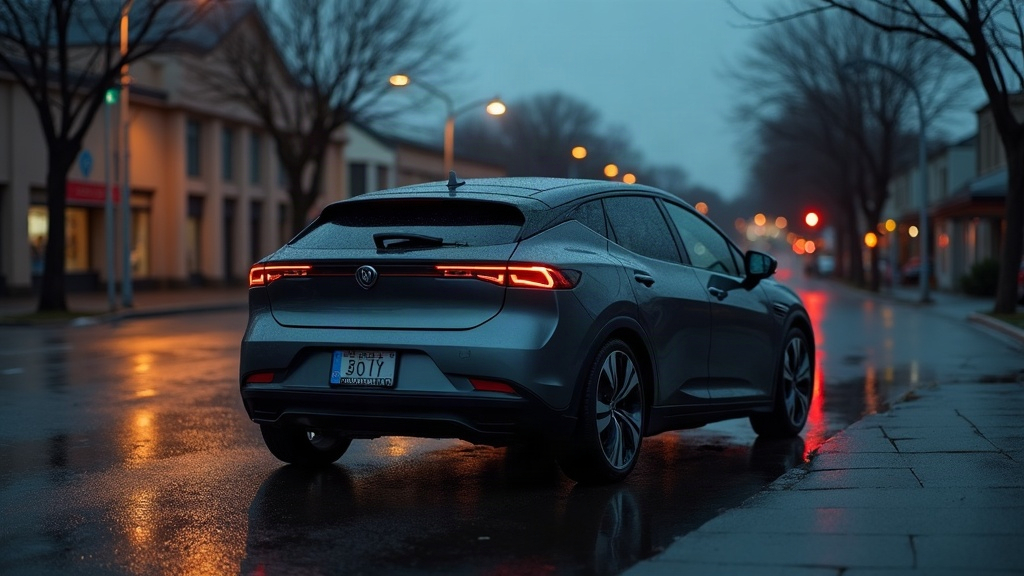
EV running costs in 2026: do the numbers finally add up?
RUC charges on light EVs have now been in place for over a year. We crunch the real per-kilometre costs for the Nissan Leaf and BYD Atto 3 against comparable petrol cars to find out what Canterbury drivers actually save.
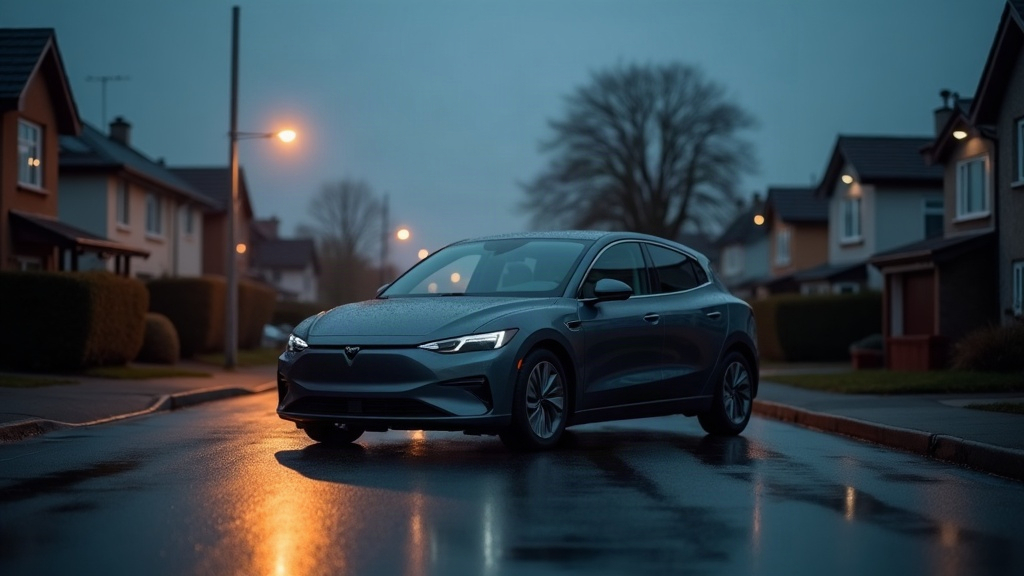
EV running costs in Canterbury: what owners are actually paying now
The RUC exemption for light EVs is gone. We break down what Leaf, Ioniq 5 and MG4 owners in Canterbury are paying per month and whether the price drop on used EVs has kept pace.