
Ex-lease Leafs and Atto 3s under $20k: what Canterbury buyers need to know
The NZ Angle
The used EV market has shifted faster than most people expected. A combination of fleet renewals, the end of the Clean Car Discount in 2023, and a wave of ex-lease returns has pushed Nissan Leafs and early BYD Atto 3s into territory that genuinely competes with a tired Corolla or an ageing CX-5. Sub-$20,000 asking prices on TradeMe are no longer unusual. For Canterbury buyers, the calculus is specific. RUCs on EVs currently sit at $76 per 1,000km, which is not trivial if you are covering serious Selwyn District commutes or doing regular Christchurch-to-Queenstown runs. Factor that in before you get seduced by the fuel savings. WoF intervals follow the standard rules, so nothing unusual there after three years. The bigger issue is battery health, and it matters more here than most places: Canterbury winters are cold enough to meaningfully reduce real-world range on an older 24 or 30 kWh Leaf, and if the car has been sitting on a fast charger twice a day for three years of fleet life, the degradation curve can be steep. The good news is that reputable sellers can pull a battery health report, and you should insist on seeing one.
Used EVs are suddenly affordable, but battery health and RUC costs are the real variables. Here is what first-time electric buyers in Canterbury should check before signing anything.
The used EV market has, quietly and without much fanfare, become interesting. Not aspirationally interesting, where you admire the prices from a distance. Actually interesting, where you can buy something for under $20,000 and it might be a reasonable decision.
Ex-lease Nissan Leafs have been landing in this bracket for a couple of years now, but the volume has picked up. Add the first generation of BYD Atto 3s cycling off fleet and corporate agreements, and suddenly Canterbury buyers have options they did not have eighteen months ago. The question is whether any of them are actually good options, and the answer, frankly, is: some of them, yes, if you do the work.
The battery health question is the only question
Everything else about a used EV is normal used-car stuff. Check the service history, look at the tyres, see if the interior smells like a decade of fast food. Standard procedure. But the battery is different, because it degrades in ways that are not visible, are not always reflected in the odometer, and can turn a $16,000 purchase into a car with 140km of real-world range on a cold morning.
For a Leaf, the state of health figure is what matters. Nissan uses a capacity bar system on older models, and while a car showing twelve bars out of twelve sounds fine, you want the actual percentage figure from a LEAF Spy readout or similar tool. A 2017 Leaf with 80,000km might sit at 78% battery health. That is a 24 kWh pack delivering around 19 kWh usable. On a Canterbury winter day, running the heater, you might see 110 to 130km of real range. That is enough for most Christchurch commutes. It is not enough for Christchurch to Timaru and back without a stop.
The BYD Atto 3 is a different situation. The first units in New Zealand were 60 kWh packs, and BYD's battery chemistry has a decent reputation for durability. Early fleet examples with 50,000 to 80,000km should still be sitting at 90% or above if they have been managed sensibly. The wrinkle is that BYD's diagnostic tools are not as accessible to independent repairers yet, so getting a verified health report is harder. If a dealer cannot produce one, price that uncertainty into your offer.
The unreasonable claim I will stand behind: any dealer selling a used EV without a battery health report should be treated as though they are hiding something, because they might be.
What RUCs actually cost you
This is where people's mental arithmetic goes wrong. Petrol at somewhere between $2.50 and $3.00 per litre feels real because you pay it every week and it stings. RUCs feel abstract because you buy them in blocks and the upfront payment is a lump sum rather than a slow bleed.
At $76 per 1,000km, a driver covering 15,000km a year is paying $1,140 in RUCs annually. That is not nothing. Run it against what you would spend on petrol in a 1.8-litre Corolla doing the same distance, and the EV still usually wins, but the margin is tighter than the EV evangelists like to admit. If you are coming from a small, efficient petrol car, your actual savings might be modest. If you are coming from a 2.5-litre SUV, the saving is real.
The other thing people miss is charging costs. Home charging on a standard overnight rate is cheap. Charging on a public rapid charger, particularly the BP Pulse or ChargeNet fast chargers, is not cheap. If you live in an apartment or a rental without a garage plug, the economics of EV ownership look very different from someone who plugs in at home every night.
Which car actually makes sense
For my money, a 2018 or 2019 Leaf with a 40 kWh battery, showing 85% or above on health, priced between $16,000 and $19,000, is the sweet spot right now. The 40 kWh pack was a meaningful improvement over the earlier 24 and 30 kWh versions, and there are enough of them in the market that you do not have to take the first one you see.
The Atto 3 asks you to pay a bit more and trust a brand that is newer to the local market. Some buyers will be fine with that. The cabin is better, the technology is more current, and BYD's build quality on these early cars has held up. But the used-car ecosystem around them, including parts, independent servicing, and resale confidence, is still developing.
The 2015-era 24 kWh Leafs at $9,000 to $12,000 are a different proposition. At that price and that age, you are probably looking at 70 to 75% battery health, which means a car with genuinely limited range. They work for people with a short, predictable daily commute and a second vehicle for anything else. They do not work as someone's only car in a city the size of Christchurch.
Spring is not a bad time to buy, since you will not discover range loss in the cold until autumn. That is either an opportunity or a trap, depending on how honest you are with yourself about what you actually need the car to do.
By Auto Luxe. See our editorial standards or email sales@autoluxe.co.nz with corrections.
More automotive
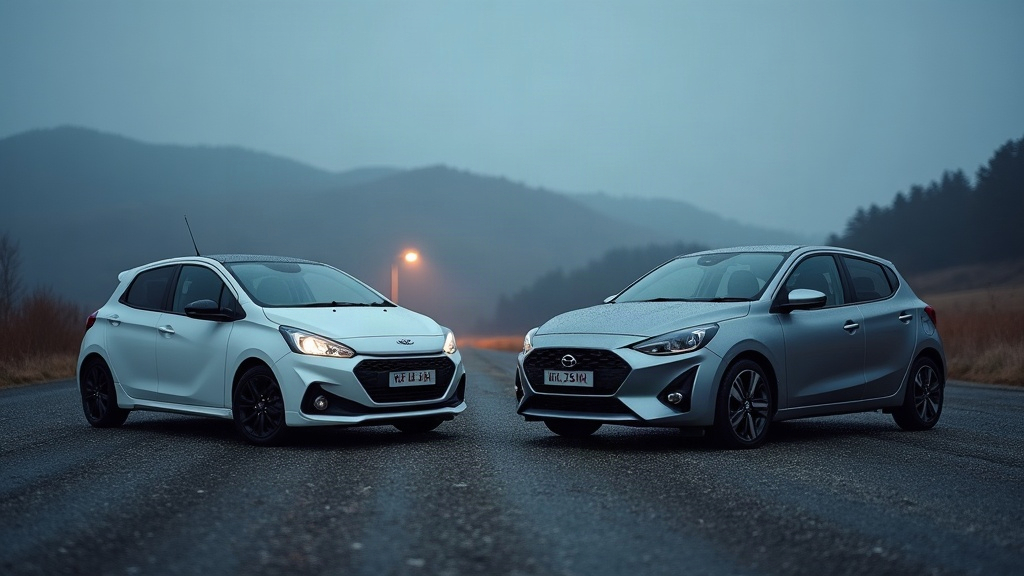
Leaf vs Aqua: what it actually costs to run each car in Canterbury
The Clean Car Discount is gone and light EV RUCs are here to stay. We crunch the real weekly numbers on a used Nissan Leaf versus a Toyota Aqua for Canterbury drivers.
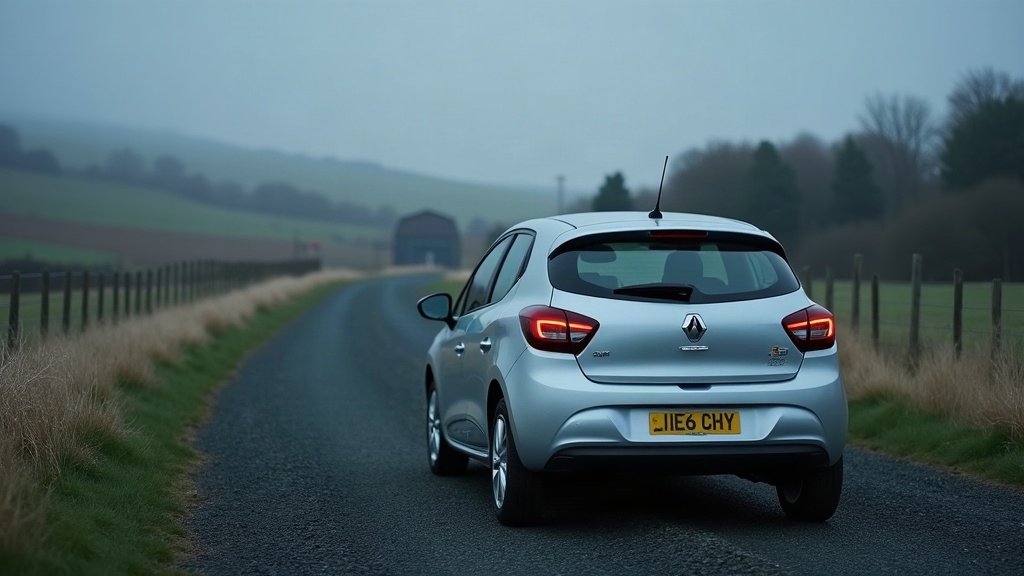
Leaf vs petrol hatch: what RUCs actually cost a Canterbury driver
The RUC exemption for light EVs is gone. We run the real numbers on a used Nissan Leaf versus a comparable petrol hatchback for a driver doing average annual kilometres in Canterbury.
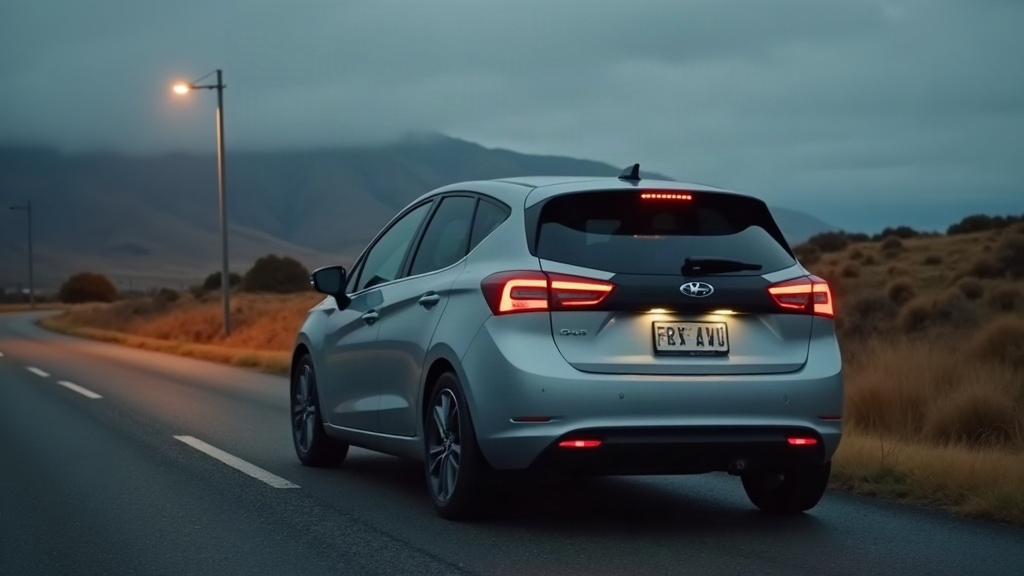
Leaf vs petrol hatch: what Canterbury driving actually costs
RUC charges have changed the EV equation. We run the real annual numbers for a used Nissan Leaf against a comparable petrol hatchback for a driver doing average Canterbury kilometres.