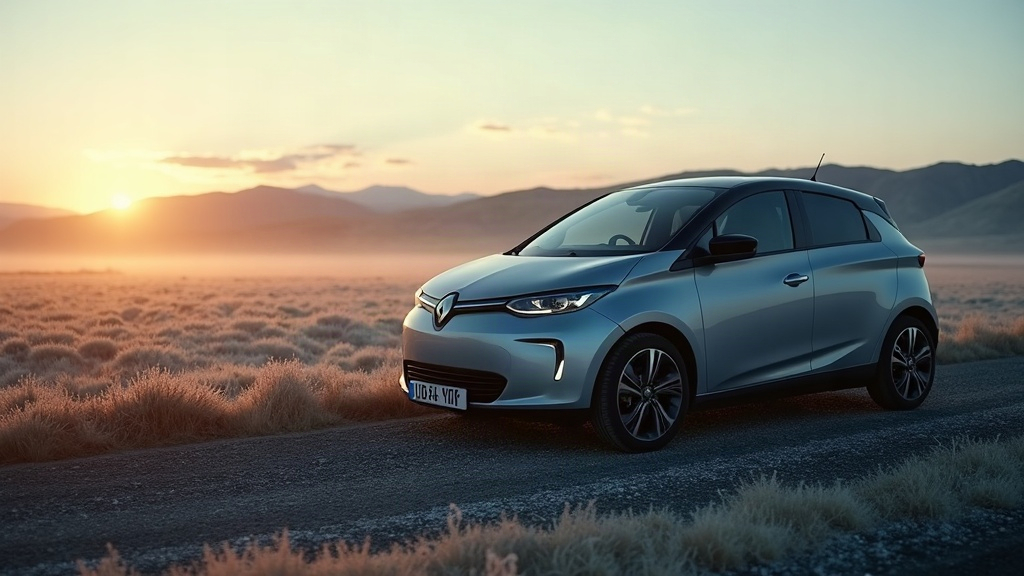
EVs vs petrol: does the maths still work for Canterbury drivers?
The NZ Angle
Light electric vehicles lost their RUC exemption in April 2024, and the rate has since settled at $76 per 1,000km for vehicles under 3,500kg. That's not trivial. A Canterbury driver doing the national average of around 14,000km a year is now paying roughly $1,064 in RUCs on top of their electricity costs. The Clean Car Discount is gone too, so the upfront price gap between a used EV and a comparable petrol car has to carry its own weight. On the other side of the ledger, home charging in Canterbury sits around 30-35 cents per kWh depending on your retailer and plan, which works out to roughly $4-5 per 100km in a Leaf. Petrol at current South Island pump prices of around $2.60-2.80 per litre puts a 6L/100km petrol hatchback at $15-17 per 100km. The fuel saving is still real. The question is whether it survives the RUC hit, higher EV purchase prices in the used market, and the occasional Canterbury winter where a 2016 Leaf's real-world range drops noticeably in sub-zero temperatures on the plains.
RUC charges on light EVs have bedded in and power prices have moved. We run the real numbers on a used Nissan Leaf and BYD Atto 3 against a comparable petrol car for someone driving average weekly kilometres around Canterbury.
The EV cost argument used to be simple. No petrol, no RUCs, reduced servicing, done. That calculation has changed, and anyone shopping for a used electric car in Christchurch right now deserves a clear-eyed look at what the numbers actually say in 2024 and beyond.
Let's take two realistic used-market options. A 2019 Nissan Leaf (40kWh, Japanese import, compliance around 2020-2021) sits at roughly $22,000-$26,000 at the moment depending on kilometres and battery health. A 2022 BYD Atto 3 Standard Range, bought locally, is sitting closer to $38,000-$42,000 used. Compare those against a 2019 Toyota RAV4 petrol at around $28,000-$32,000, or a 2020 Mazda CX-5 2.0 petrol at $28,000-$33,000.
The Leaf is the only one in this group that genuinely competes on purchase price. The Atto 3 is a harder sell upfront.
Running costs: what 14,000km actually costs you
At 14,000km a year, the RUC bill on either EV is $1,064. That's fixed regardless of whether you drive a Leaf or an Atto 3. Add home charging. The Leaf (40kWh, real-world efficiency around 15-16kWh/100km in Canterbury conditions) will use roughly 2,100-2,240kWh annually. At 32 cents per kWh, that's $672-$717 in electricity. Total energy-plus-RUC cost: around $1,736-$1,781 per year.
The RAV4 2.5 petrol at 7.5L/100km over the same distance drinks about 1,050 litres. At $2.70/L, that's $2,835. No RUCs. So the Leaf saves roughly $1,000-$1,100 a year on energy costs against the RAV4, which sounds good until you factor in the price gap and the battery.
The CX-5 2.0 is more frugal, averaging closer to 7L/100km in mixed driving, so around $2,646 annually in petrol. The gap against the Leaf narrows to about $850-$950 a year.
At those savings, a Leaf bought at $23,000 versus a CX-5 at $29,000 represents a $6,000 premium for the electric car. You're looking at roughly six to seven years to recover that through fuel savings, assuming electricity prices don't climb and the battery holds up. Given that many imported Leafs arriving now have 80,000-120,000km on them and original 2019-era battery chemistry, that's a meaningful assumption.
The BYD Atto 3 doesn't make the maths work on running costs alone. At $40,000 used versus a $30,000 CX-5, you'd need over a decade of fuel savings to break even, and that's before accounting for the unknown long-term parts and service picture on a brand that's been in NZ for five minutes.
What breaks, and what it costs
The 40kWh Leaf has a known weakness: thermal management. Or rather, the lack of it. The battery has no active cooling, which means degradation is tied to how hard it's been charged and whether it spent time in hot climates before compliance. A Canterbury Leaf in winter will lose 15-20% real-world range on cold mornings, dropping from a rated 270km to somewhere around 180-200km in practice. At 100,000km-plus, state of health below 80% is not unusual on these cars. Get a battery health report before you buy.
On the mechanical side, Leafs are genuinely low maintenance. Brake pads last a long time thanks to regenerative braking. No cambelt, no oil changes. Budget around $300-$400 per year for a WoF, tyre rotation, and cabin filter. Parts availability from Japanese import channels is solid.
The Atto 3 is too new to have a clear failure pattern in the NZ fleet, which is itself a risk. Warranty coverage through the local importer exists on newer examples, but the used market units are moving beyond that window. Independent servicing knowledge is thin.
Both CX-5 and RAV4 petrol have well-established NZ service networks, local parts, and a clear picture of what goes wrong at 150,000km (the CX-5's 2.0 and 2.5 Skyactiv engines are genuinely durable; the RAV4's timing chain and water pump bear watching on higher-mileage examples).
So does it stack up?
For a Canterbury owner doing 14,000km a year, a well-specced 40kWh Leaf bought under $24,000 with documented battery health above 85% is still a defensible daily driver. The running cost advantage over a similarly priced petrol hatchback or small SUV is real, if reduced from what it was two years ago. The RUC is annoying, but it's manageable.
The Atto 3 at current used prices is a harder argument. You're paying new-car money for a car with an unclear resale curve and a parts ecosystem that's still being built in this country. The technology is good and the range is genuine. The value case is not there yet.
The petrol RAV4 and CX-5 remain the boring-but-correct answer for anyone who wants to know their costs, knows their service history, and doesn't want to think too hard about charging logistics in a Canterbury winter when the mercury drops below zero and the range estimate on the dash starts doing creative maths.
By Auto Luxe. See our editorial standards or email sales@autoluxe.co.nz with corrections.
More automotive

Leaf vs Corolla: what it actually costs per km in Canterbury
RUC rates for light EVs are locked in for 2026. We run the real numbers on a used Nissan Leaf against a petrol Corolla, including electricity, fuel, and WoF costs.
What a Nissan Leaf actually costs per kilometre in Canterbury
RUCs, home charging rates, depreciation and WoF costs broken down against a comparable petrol import for Canterbury drivers doing real kilometres.
EV road user charges: what Canterbury drivers are actually paying
Light EV RUCs have been running for a year now. We crunch the real numbers on what Canterbury owners are paying versus petrol savings, and whether used EVs still make financial sense.