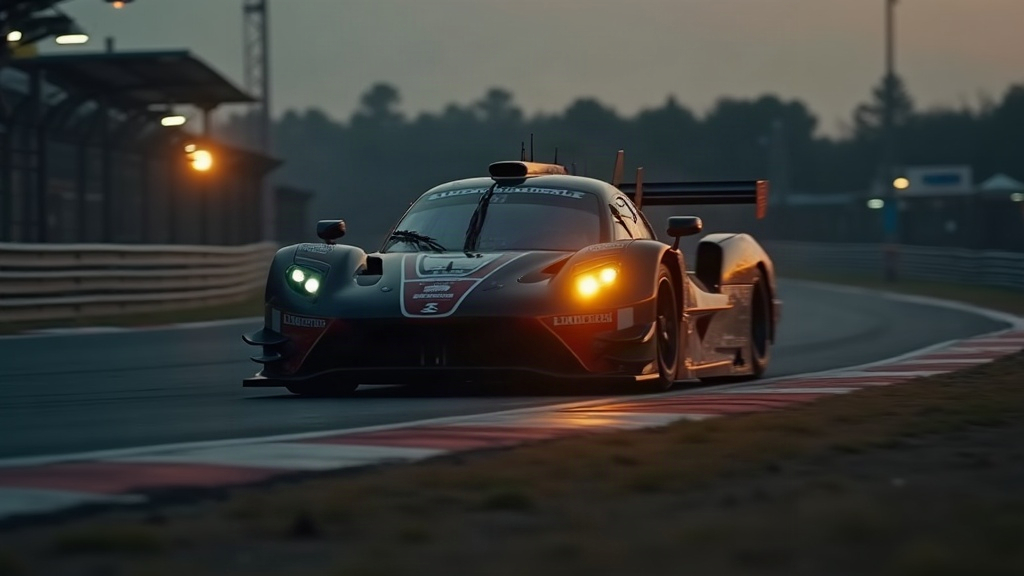
Van Gisbergen holds ground as Supercars enters the sharp end of 2026
The NZ Angle
Shane van Gisbergen's Supercars career has always carried weight back home, partly because New Zealand produces so few drivers who reach the top tier of Australian touring car racing and sustain themselves there. His trajectory from karting through TRS and into Supercars is the kind of path local clubs at Hampton Downs and Ruapuna talk about when they discuss what the development ladder can actually produce. With the 2026 season now past its midpoint, the standings matter in a concrete way: if van Gisbergen is in championship contention through the back half, the conversation around his future, whether that's another Supercars campaign, a deeper Stateside push in NASCAR, or something else, gets louder and more specific. Liam Lawson's parallel trajectory in Formula 1 means New Zealand currently has two drivers in major international championships simultaneously, which hasn't been the norm. For Kiwi fans tracking both, the schedules rarely align for a clean weekend of watching, but the Supercars calendar through the final rounds gives SvG a genuine shot at accumulating points on circuits that have historically suited his style. The question heading into the back half isn't whether he can win races. It's whether the consistency is there across a full round, both Saturday and Sunday, on circuits where tyre deg separates the setup calls from the guesswork.
Shane van Gisbergen delivered a measured round as Supercars' 2026 season hits its mid-point. Here's where the Kiwi contingent stands and what the remaining rounds demand.
Lap 23 of Race 2 at the most recent Supercars round told most of the story. Shane van Gisbergen was running fourth, managing a right-rear tyre that had started to grain under the sustained load of a fast sweeper, and the gap to third was 1.4 seconds, close enough to push, far enough that overcooking the approach would cost more than the position was worth. He held. That kind of decision, boring to watch, expensive to get wrong, is where championships are built or eroded.
The round result put SvG on the podium in Race 1 and sixth in Race 2, a net points haul that keeps him in the top four of the standings but doesn't close the gap to the leader in the way the team would have planned. In championship terms, the deficit is real but not terminal. There are enough rounds remaining that a clean weekend, one where both races convert at a high rate, can shift the picture materially.
What the tyre data actually showed
The pattern across both races was familiar. Van Gisbergen's pace in the opening stint was strong, consistently in the top three on sector times through the technical middle section of the circuit. Where the car gave back time was in the late phase of the primary stint, when the front left began to lose mechanical grip under braking. That's a balance issue that sits at the intersection of setup and driving style, and it's not unique to his car this season. Several of the front-running teams have been trading aero load for straight-line speed at rounds where the infield sections reward downforce but the main straight punishes drag.
The delta time between his fastest race lap and the outright quickest in Race 2 was just over four tenths. That's not a pace problem. That's a degradation problem, and the two have different solutions. Pace gaps close with setup changes. Degradation gaps close with tyre management, which is partly driving input, partly compound selection, and partly how aggressively the car is using its mechanical grip reserves in the middle phase of a stint.
If the data from Race 2 reflects what the engineers are seeing over multiple rounds, the priority heading into the next event will be rear stability under sustained cornering load, not outright lap time.
The points picture at mid-season
The standings after this round show a gap of somewhere between 80 and 120 points to the championship leader, depending on the points structure applied to the round format. In Supercars, that's a recoverable margin across the remaining calendar, but it requires consistency more than heroics. A driver can close 100 points in a season without winning every round, as long as the finishes are within the top four and the mechanical issues stay away.
What makes this phase of the season harder is that the rounds ahead include at least two street circuits and one endurance event, where co-driver pace and reliability weigh differently than a standard sprint round. Van Gisbergen's endurance record is strong, and that part of the calendar historically suits drivers who can manage a car over a long stint rather than simply extracting maximum lap time. The question is whether his co-driver pairing can match the pace of the title contender's pairing, because in a close championship, the endurance round can swing 50 or 60 points in a single afternoon.
No other Kiwi driver currently holds a full-time Supercars seat at the level that warrants championship analysis, though there are New Zealand-linked development drivers working through the feeder structure. The main NZ story in the series this season is SvG, and to a lesser degree the team's overall performance relative to the manufacturer battle running underneath the driver standings.
What the back half of the season demands
Three things will determine where van Gisbergen finishes in the 2026 standings. The first is tyre life across both races at each round, which comes back to the rear stability work the engineers need to complete before the next event. The second is clean air. His pace when he can run without traffic through the technical sections is clearly competitive with the championship leader. His pace when he's managing gap and traffic is marginally lower, and at this level marginally lower across a full round is the difference between finishing second and fifth. The third is the endurance leg.
The season isn't decided. The geometry of the points table allows for a swing in either direction. But the remaining rounds will punish any team that arrives with unresolved setup issues, and Race 2's tyre data is the clearest signal of where the work needs to happen.
By Auto Luxe. See our editorial standards or email sales@autoluxe.co.nz with corrections.
More motorsport
SvG leads the championship charge as Supercars heads for the finale
Shane van Gisbergen extended his points lead at the most recent Supercars round, with the standings tightening as the 2026 season enters its final stretch.
Van Gisbergen presses on as Supercars title race tightens
Shane van Gisbergen delivered a strong showing at the most recent Supercars round, keeping himself in championship contention as the 2026 season enters its final stretch.
Van Gisbergen and the Kiwi contingent at a crossroads in 2026 Supercars
The most recent Supercars round has reshuffled the championship standings with only a handful of events remaining, and New Zealand's drivers sit in very different positions heading into the run home.