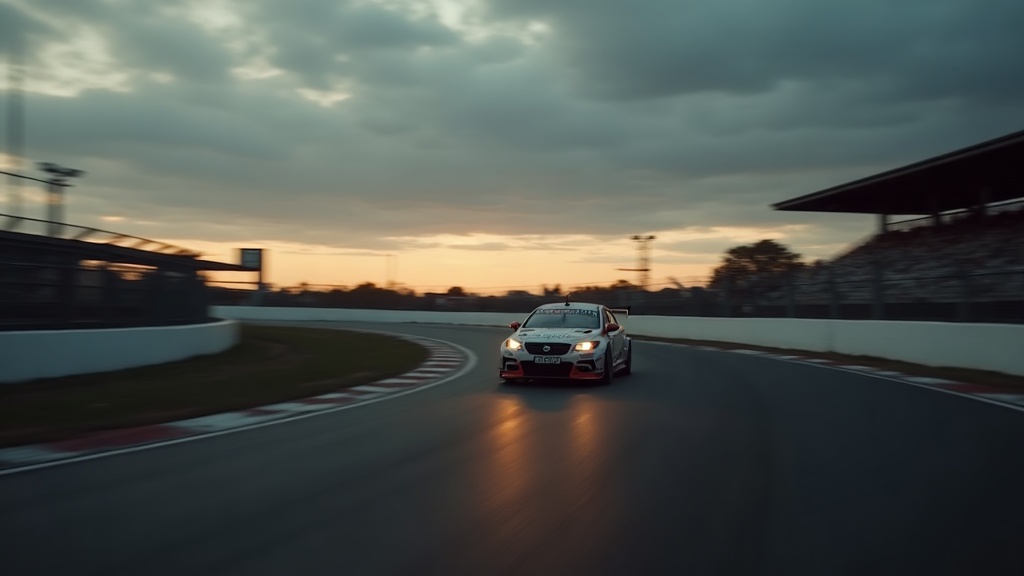
SvG and Kiwi connections at the latest Supercars round
The NZ Angle
Shane van Gisbergen remains the most prominent Kiwi name in Supercars, and how he goes in the back half of the 2026 season matters to a New Zealand audience that has followed him since his early days in the TRS and the domestic tin-top scene. SvG's move to the Chevrolet Camaro-based Trackhouse entry in the NASCAR Cup Series has split his schedule, but his Supercars commitments have kept him in the mix with the Kiwi fanbase that grew up watching him throw a car around Hampton Downs and Pukekohe. For those of us who remember what he was doing in New Zealand club racing before he became the best thing to come out of Auckland since Bruce McLaren, the Supercars results still land with weight. Liam Lawson's trajectory through Formula 1 has pulled some of the national spotlight away from tin-top racing, but the Supercars grid retains real meaning here. Parts availability and mechanical knowledge from the Supercars-spec Gen3 platform have no direct consumer import path, but the racing shapes the conversation about what performance cars can do, and that filters through to how enthusiasts here think about what they're buying and driving.
Shane van Gisbergen and the New Zealand contingent in Supercars faced a mixed round as the 2026 championship heads into its second half with the title fight tightening.
The most recent Supercars round delivered the kind of mixed bag that makes the second half of a championship genuinely hard to call. Shane van Gisbergen, running under the Triple Eight banner in a wildcard capacity around his NASCAR commitments, showed flashes of the form that made him a three-time champion but couldn't convert qualifying pace into clean race results across both legs.
Race one saw SvG push into the top five from the opening lap, the Triple Eight Camaro moving well through the mid-field in the early stint. A safety car period caught him on the wrong tyre strategy and he dropped to ninth by the flag. Race two was more straightforward. He got the tyres working earlier, held position through the pit cycle, and finished sixth. Not a points haul that changes the standings, but enough to confirm the speed is still there when the setup runs his way.
The title picture at halfway
Heading into the second half of the season, the championship lead belongs to a driver who has been consistent rather than spectacular, which is usually the profile that holds up when circuits get technical and the heat goes out of the summer rounds. The gap at the top is close enough that two or three strong rounds could rearrange the top four completely.
The Gen3 regulations have been in place long enough now that teams understand the platform. What you're seeing is less the variance that came from teams interpreting the rules differently and more a straight fight on execution, strategy calls, and driver feel. The cars are close enough that the driver who manages the rear tyre over a long run and gets the weight transfer right through the technical sections is the one clearing out at the front.
SvG's speed isn't in question. His race management has always been the sharpest in the field, and when he's got a full season beneath him rather than dipping in around an overseas programme, it shows. The wildcard format suits him in some ways because he arrives fresh to each round, but it costs him the accumulated data and setup continuity that a full-season driver builds across the year.
Where the New Zealand thread sits
Beyond SvG, the New Zealand connection to the current Supercars grid is thinner than it was a decade ago. The pathway that produced van Gisbergen, through New Zealand grassroots racing and into Australian tin-tops, hasn't thrown up another name at the same level yet. The TRS and the NZ Rally Championship continue to produce drivers with real pace, but the bridge to a funded Supercars seat is as hard to cross as it's ever been.
Scott McLaughlin's situation in IndyCar means his Supercars appearances are even rarer than SvG's, and his focus has shifted conclusively to the US open-wheel scene. He's still an important part of the story because of what he achieved in the championship years at DJR, but he's not a factor in the 2026 title fight.
The drivers who will shape the second half of the season are largely Australian, working full programmes, with the consistency that full-time effort produces. For SvG to influence the title from a wildcard position, he'd need a round where everything lines up and the championship leader has a mechanical or a strategic misfire. That's possible. It's just not probable.
What the rest of 2026 shapes up as is a tight fight between drivers who've been building their campaigns since February, with a handful of wildcard appearances adding unpredictability to specific rounds but not enough to shift the axis of the championship. SvG will keep arriving with pace and leaving with points. Whether that's enough to put his name back at the top of the table depends on factors outside his control as much as inside.
The second half gets interesting at the circuits where the car's balance under braking matters most. That's where you feel the difference between a driver who's been at a track for four days and one who flew in from the States 48 hours earlier. SvG has made a career of bridging that gap on talent alone. He's done it before. The question is how many more times he can do it on a split programme.
By Auto Luxe. See our editorial standards or email sales@autoluxe.co.nz with corrections.
More motorsport
SvG leads the championship charge as Supercars heads for the finale
Shane van Gisbergen extended his points lead at the most recent Supercars round, with the standings tightening as the 2026 season enters its final stretch.
Van Gisbergen presses on as Supercars title race tightens
Shane van Gisbergen delivered a strong showing at the most recent Supercars round, keeping himself in championship contention as the 2026 season enters its final stretch.
Van Gisbergen and the Kiwi contingent at a crossroads in 2026 Supercars
The most recent Supercars round has reshuffled the championship standings with only a handful of events remaining, and New Zealand's drivers sit in very different positions heading into the run home.