EV running costs in 2026: what the new RUC rates actually mean
The NZ Angle
New Zealand's road user charge exemption for light electric vehicles was always a temporary arrangement, and NZTA has been phasing EVs into the full RUC system in steps since 2024. From 1 July 2026, the rate for light electric vehicles sits at $76 per 1,000 kilometres, up from the earlier transitional rate. That's not the full diesel-equivalent rate, but it's no longer negligible either. For a Canterbury driver covering 15,000km a year, that's $1,140 in RUCs annually, on top of electricity costs. The Clean Car Discount ended in 2023, so there's no rebate softening the upfront purchase anymore. Buyers who made their EV decision in 2021 or 2022, when RUCs were zero and the discount was live, were working from a very different cost equation. Anyone buying a Nissan Leaf or Hyundai Ioniq 6 today needs to run the current numbers, not the numbers from the era when EV incentives were at their peak. South Island drivers also need to account for cold-weather range loss in winter, which affects how many RUC units they burn through relative to their actual driving, since odometer kilometres are what NZTA charges against, not battery consumption.
NZTA's updated light EV RUC rates landed in July 2026. Here's what a Leaf or Ioniq 6 owner actually pays annually, and how that stacks up against a petrol equivalent.
The free ride is over. Light electric vehicles in New Zealand are now subject to a $76 per 1,000km RUC rate, effective from July 2026, and for many EV owners that figure will prompt a genuine rethink of the running cost advantage they assumed they had.
That's not a criticism of the policy. Roads cost money to maintain, and EVs use them the same as anything else. But it does change the maths, and buyers in Canterbury weighing up a secondhand Leaf against a petrol Corolla or CX-5 need accurate numbers, not two-year-old assumptions.
What you actually pay in RUCs
At $76 per 1,000km, a driver covering 15,000km annually will pay $1,140 in road user charges. That's a straightforward calculation. For someone doing 20,000km, it's $1,520. These are fixed costs that apply regardless of whether you're charging at home on off-peak rates or plugging in at a public fast charger.
RUC licenses are purchased in blocks and must be kept ahead of your odometer reading. If you're caught with an expired RUC license, the fines are real. It's worth building the purchase of RUC units into your regular vehicle budget the same way you'd budget for a WoF or a service interval.
For comparison, a diesel vehicle in the same class pays around $76 to $80 per 1,000km depending on exact classification, so light EVs are broadly in the same bracket now. The earlier exemption period is gone.
The petrol comparison, in real money
Take a 2019 Nissan Leaf with the 40kWh battery. At home charging rates around 25-30 cents per kWh, and with real-world efficiency around 6-7km/kWh, you're spending roughly $550-$650 in electricity for 15,000km. Add $1,140 in RUCs and you're at approximately $1,700-$1,800 for fuel-equivalent costs annually.
A 2019 Toyota Corolla hatch on petrol, covering the same 15,000km, uses around 7L/100km in mixed driving. At $2.70 per litre, that's around $2,835 in petrol. No RUCs apply.
The Leaf still comes out ahead by roughly $1,000 a year on running costs, but the gap has narrowed considerably from what it was when RUCs were zero. Two years ago, that same comparison showed the Leaf saving closer to $2,000 annually.
Now look at a Hyundai Ioniq 6, the longer-range newer generation car. Purchase prices on the secondhand market are still well above a Corolla equivalent, often sitting $15,000-$20,000 higher for comparable year and mileage. At $1,000 annual savings in running costs, you need 15-20 years of ownership before the purchase premium pays back. That's a number worth writing down before you sign anything.
What Canterbury buyers need to factor in
Winter range loss is real on the Leaf, especially the older 24kWh and 30kWh variants. In Christchurch, if you're parking outside overnight in June and July, you can lose 20-25% of usable range before you've turned a wheel. That's not a disaster for city commuting, but it matters if your daily round trip is pushing the car's limit. The 40kWh Leaf handles it better. The Ioniq 6 better again.
The other Canterbury-specific consideration is the Southern Alps. If you're doing regular trips to the West Coast or up to the ski fields, a Leaf with 200-250km of summer range needs careful planning. A petrol CX-5 or X-Trail does not.
Public charging infrastructure in Canterbury has improved, but fast charging availability outside Christchurch city still requires route planning that petrol drivers don't have to do. That's not a deal-breaker, but it's a genuine difference in how you use the vehicle.
There's also the battery degradation question. A 2015-2016 Leaf with 150,000km on it may have a battery showing 8 or 9 bars out of 12 on the battery health indicator. That's usable range down to 140-160km on a good day. RUCs still apply at full rate regardless of how far the car actually gets on a charge. Buying a degraded Leaf at a low price and then paying full RUC rates is not the bargain it might appear.
For buyers with a $20,000-$25,000 budget and a genuine daily commute under 60km each way, a 2018-2020 Leaf with a healthy 40kWh battery is still a sound choice. Running costs remain lower than a petrol equivalent, the WoF intervals normalise after three years like any other car, and servicing is genuinely simpler with no oil changes or transmission service to worry about.
The honest answer is that EVs are still cheaper to run than petrol. They're just not as dramatically cheaper as they were in 2021. Anyone who bought based on the numbers from that era needs to update their spreadsheet.
By Auto Luxe. See our editorial standards or email sales@autoluxe.co.nz with corrections.
More automotive
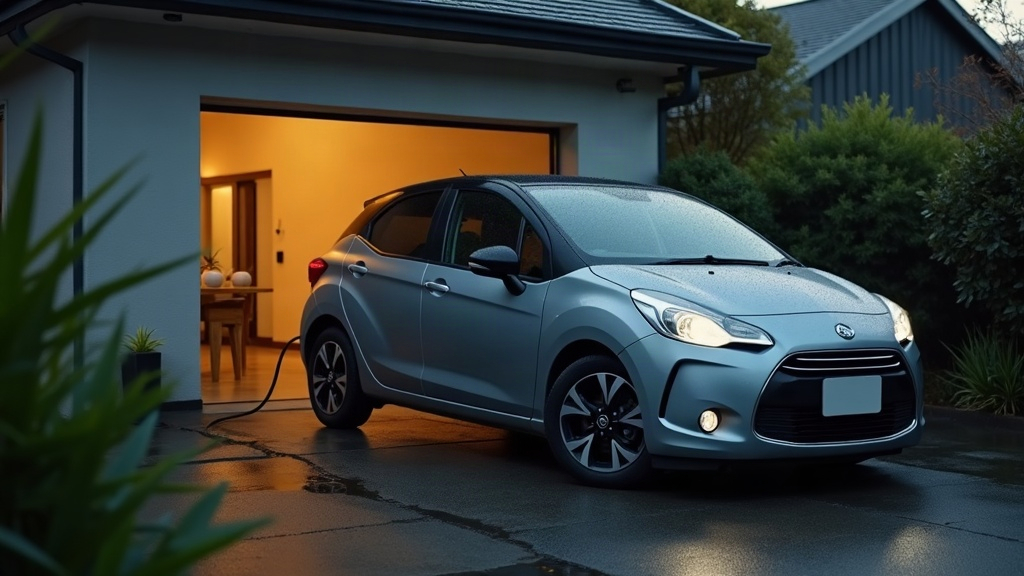
EVs under $25k: what Canterbury driving actually costs
RUC rates have settled, used Leafs and BYD Atto 3s are everywhere on Trade Me. Here's what the numbers actually look like for a South Island buyer.

Ex-lease Leafs and Atto 3s under $20k: what Canterbury buyers need to know
Used EVs are suddenly affordable, but battery health and RUC costs are the real variables. Here is what first-time electric buyers in Canterbury should check before signing anything.
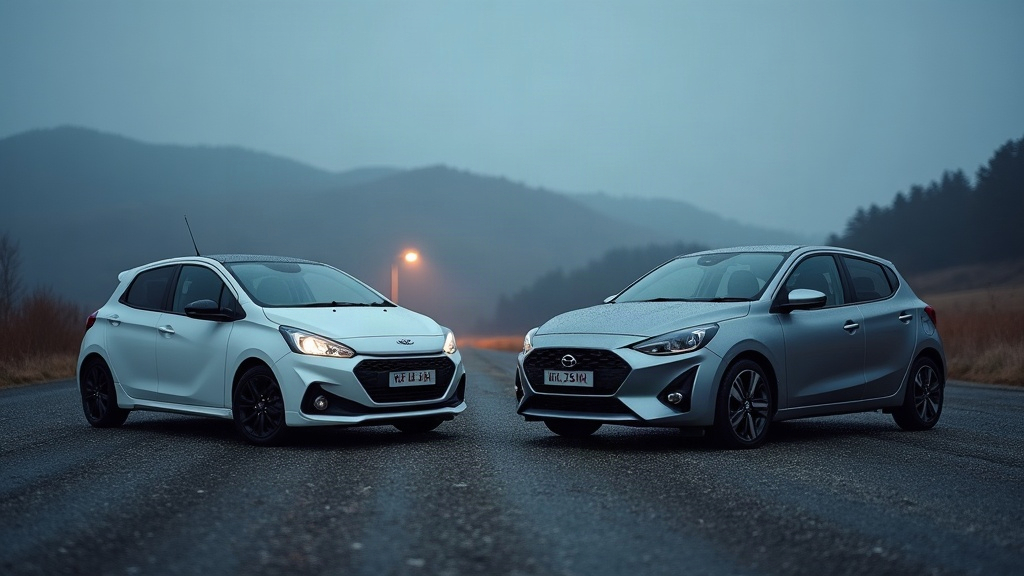
Leaf vs Aqua: what it actually costs to run each car in Canterbury
The Clean Car Discount is gone and light EV RUCs are here to stay. We crunch the real weekly numbers on a used Nissan Leaf versus a Toyota Aqua for Canterbury drivers.